
Is that right?

I explain to the cashier at Trader Joe’s that I need to buy my groceries in two different transactions—one for my mom and one for me. He smiles and says, “That’s nice. I miss my mom.”
His eyes sparkle with his love for her. “She passed away?” I ask. I feel so ambivalent about that phrase, but find myself using it anyway. Somehow “died” feels harsh and intimate. “Yeah, she did,” he answers. “I miss her a lot.”
“I live with my mom,” I explain.
“Me too!” he exclaims. “Her ashes are on my mantle and I pass by them every day.” This seems to genuinely comfort him, which I find comforting.
“People do a lot of weird things with ashes nowadays,” he says.
“I’ve seen that! I’ve been researching cremation and came across sites where you can get your loved one’s ashes turned into jewelry and even tattoos,” I say.
“I want to get a tattoo in honor of my mom,” he says, “but not with her ashes.” We both chuckle.
“What would you get?” I ask.
“Spinach.”
“Spinach?”
“Believe it or not, her very last words before she died were, ‘Eat your spinach!’ I’m going to get a spinach leaf on my forearm.”
He finishes ringing up my groceries and I finish bagging them up. I pay. We part ways. But I can’t stop thinking about this stranger and his mom, the lifetime of words we exchange with those we love the most—like a river that trickles into the tiniest stream until it just, one day, evaporates.
The language that has animated my relationship with my dad for 46 years is down to its last little drops. There was a time when we would head to the grocery store together, my teen feet on the dashboard of our mini-van, and talk and talk and talk. We both loved moral questions, theological inquiry, self-development. We liked to talk about politics and protest, Buddha and Jesus, photography and travel. There was a long time when I thought, as a teen should, that the words would never end.
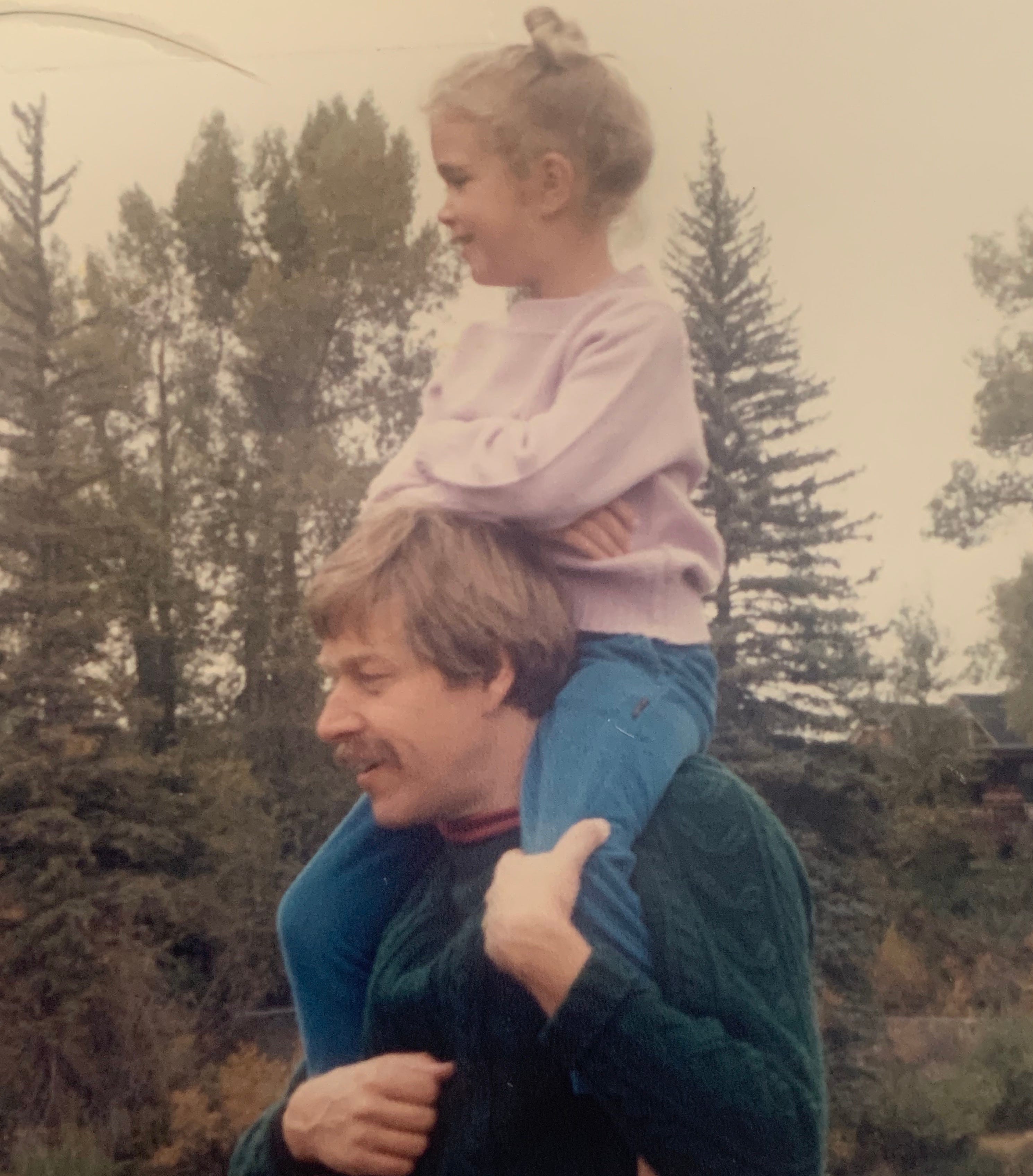
When I got home from college and through out my 20s, my words were sometimes righteous and critical. My dad wasn’t an intellectual, exactly, but more of a seeker. I fear I sometimes acted like I was superior because I’d read the great political philosophers at an Ivy League school, but knowing him, he would have reveled in my showing off. It meant his daughter was brilliant. Had access. That his dream of giving his kid more than he’d had—the kind of stability that often precedes righteousness—had been fulfilled.
In my 30s, I remember our words being gentle and full of hope in the big transitions. When he retired, I tried to teach him how to make stir-fry so he could cook more for my mom. I wrote down the order of the vegetables—carrots first, then snap peas, then celery, then mushrooms. He listened and asked lots of questions, but I don’t think he ever made a single stir-fry. Old dog, new tricks? Or maybe his mind was already starting to deteriorate and it just felt too hard. I tried to get him to volunteer more, to be a mentor, to put his kindness and iconic laugh to relational use, but he said he had worked since he was 14 and just wanted to lie in the hammock a bit.
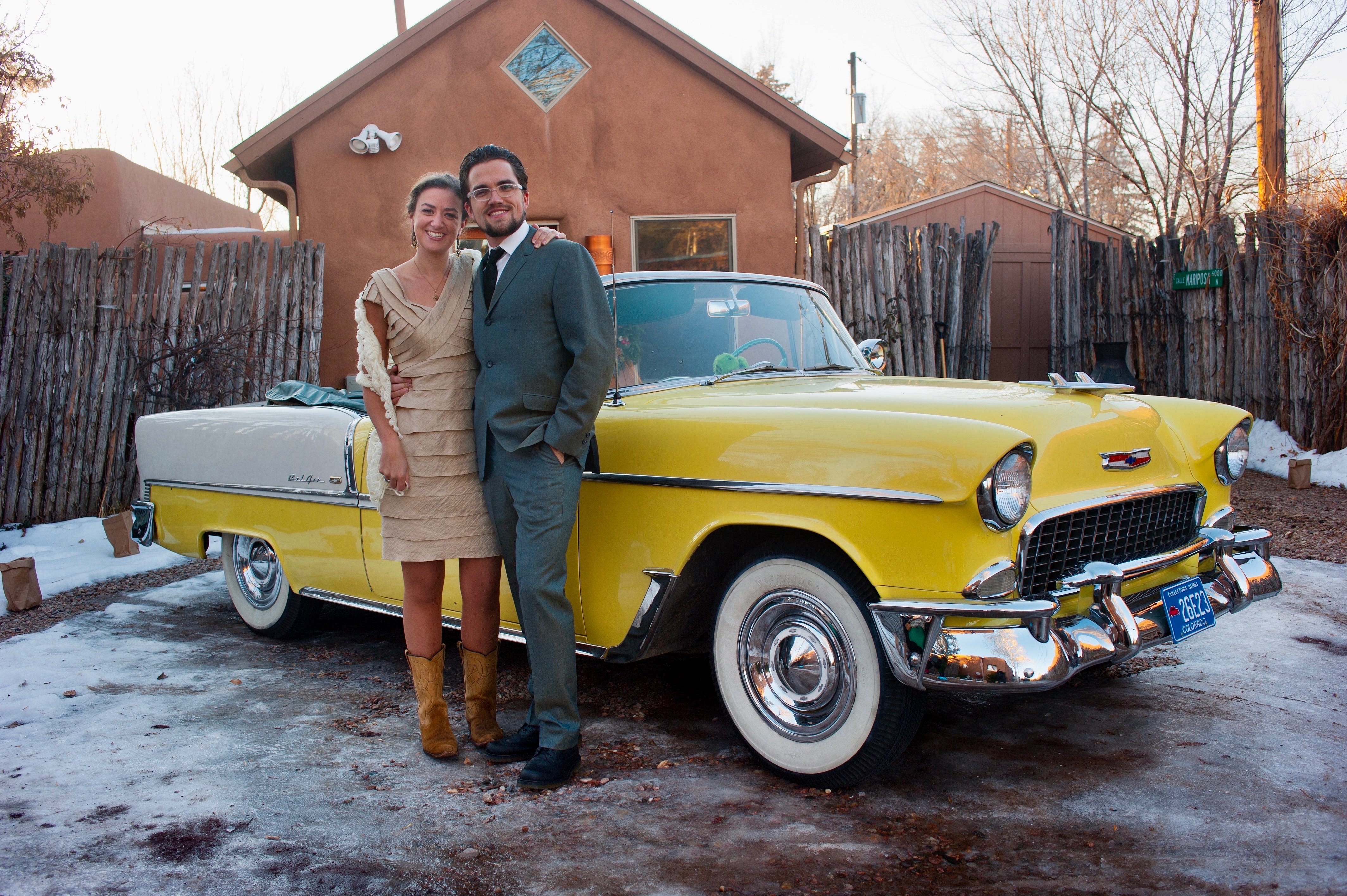
When I got married, he was tender and supportive, talking me down from a panic attack after the rehearsal dinner. I never wanted to be the center of attention in that way, never wanted the big pressure of a wedding. He understood, and knew how to use words to ease my body back to its brave stasis. He gave the most loving, generous toast—one that centered, not on my groom and me, but on the whole community gathered, the wild abundance of genius and conviction and love among us. People wept and said they wished he was their dad. That night, it felt like he was everyone’s dad, and I didn’t mind sharing him at all.
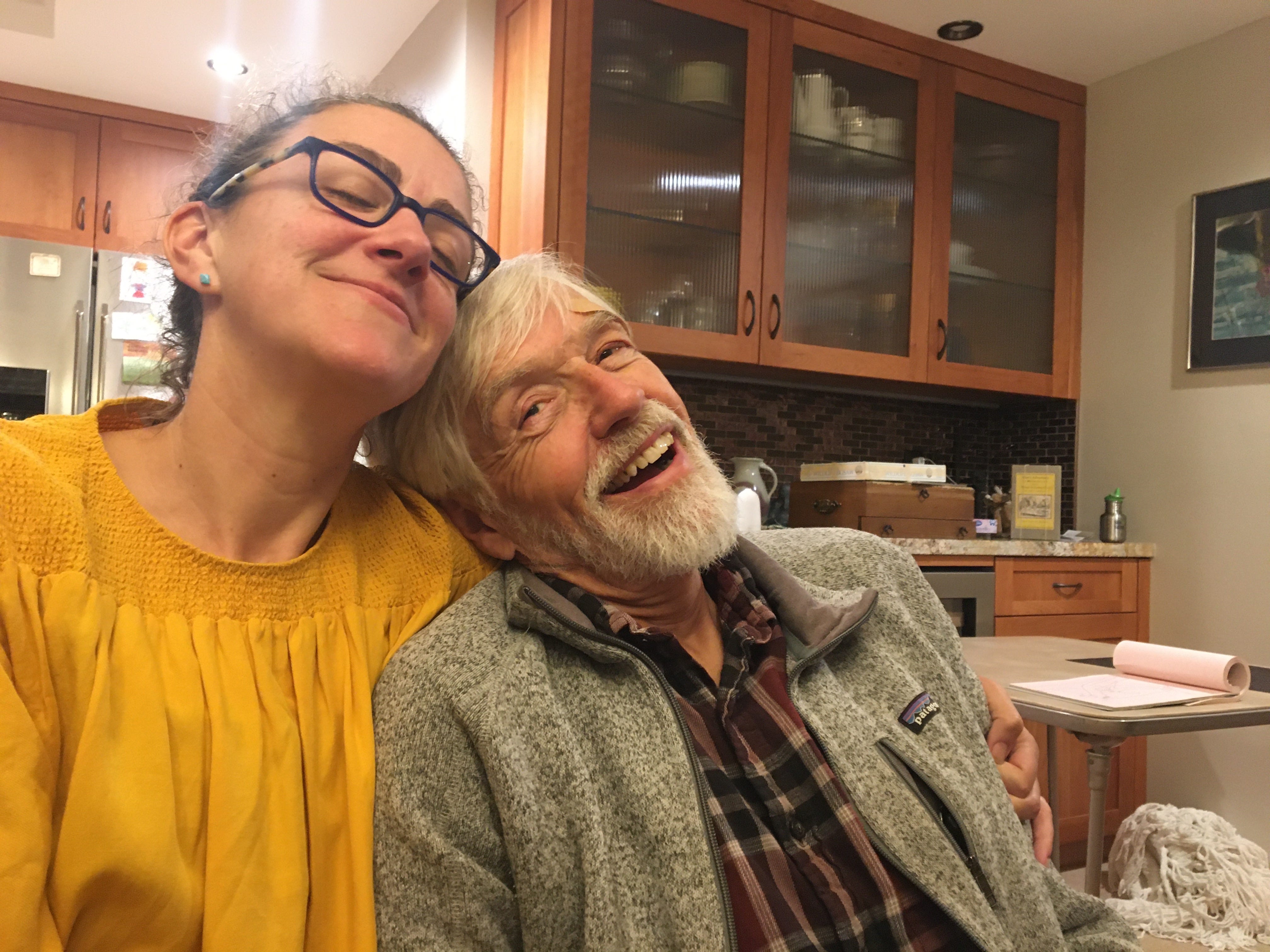
These days, I share him with a whole community of elders and caregivers. I still have words for him, but he doesn’t have many for me. Even his singing has started to evaporate. But every once in awhile, one of his favorite phrases will pop out of his mouth, untarnished by dementia: “Is that right?”
My brother and I have talked about getting that tattooed on our bodies when he dies, preferably in his handwriting. I wouldn’t be surprised if those are his last words. They’ve been his words at so many seasons of his life and mine—a phrase of awe, a sort of acknowledgment that the world is full of almost unbelievable beauty and surprise.
He didn’t tell me to eat my spinach. Not even once that I can remember. In fact, when my mom was out for the night, and he was charged with making sure we ate some vegetable with our dinner, he would take frozen peas and frozen corn and microwave each for us in these white formica bowls (I was peas and my brother was corn, every single time). So I guess he said “eat your peas.”
And he said “everything will be okay.” And “life isn’t fair.”
And definitely, so many times, “Is that right?”
A question, not a command, a way of connecting and signaling his astonishment. These days, beyond language, beyond recognition even, I hold his hand and beam my love into his him as strongly as I possibly can. Thank you for all the words, Dad. You loved me so well, Dad. I will love you forever, Dad. That’s right. That’s right. That’s right.
Each time, each time you write about your love for your dad, I think this will be my favorite. This one, THIS one helps me call up these word-jewels and shared moments from my own dad. The one that's speaking to me these days--which I never appreciated at the time--is "Take it easy, Miss!" There was so much love and care in these words, and it's good to feel it now.
Simply achingly gorgeous!🩷