
This is the door
5 questions for author Darcey Steinke from oral historian Nicki Pombier + a bonus book report


When I met my penpal and sister friend, Nicki Pombier, she was floating in a pool at a mutual friend’s 40th birthday party, reading a book about menopause. And when I say reading, I mean reading aloud, to a crew of women who were essentially perfect strangers, about blood and the end of it, evolving womanhood, killer whales, and so much more. That book, as it turned out, was Flash Count Diary and it is written by award-winning author Darcey Steinke.
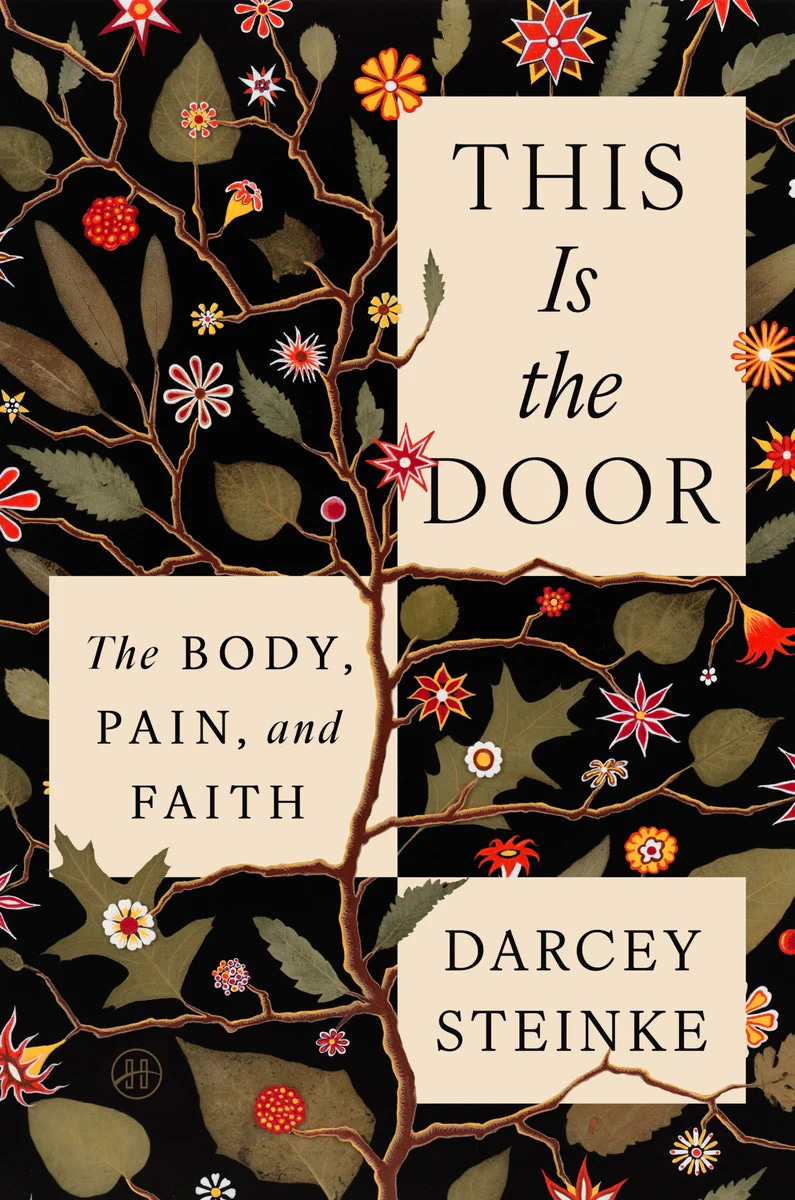
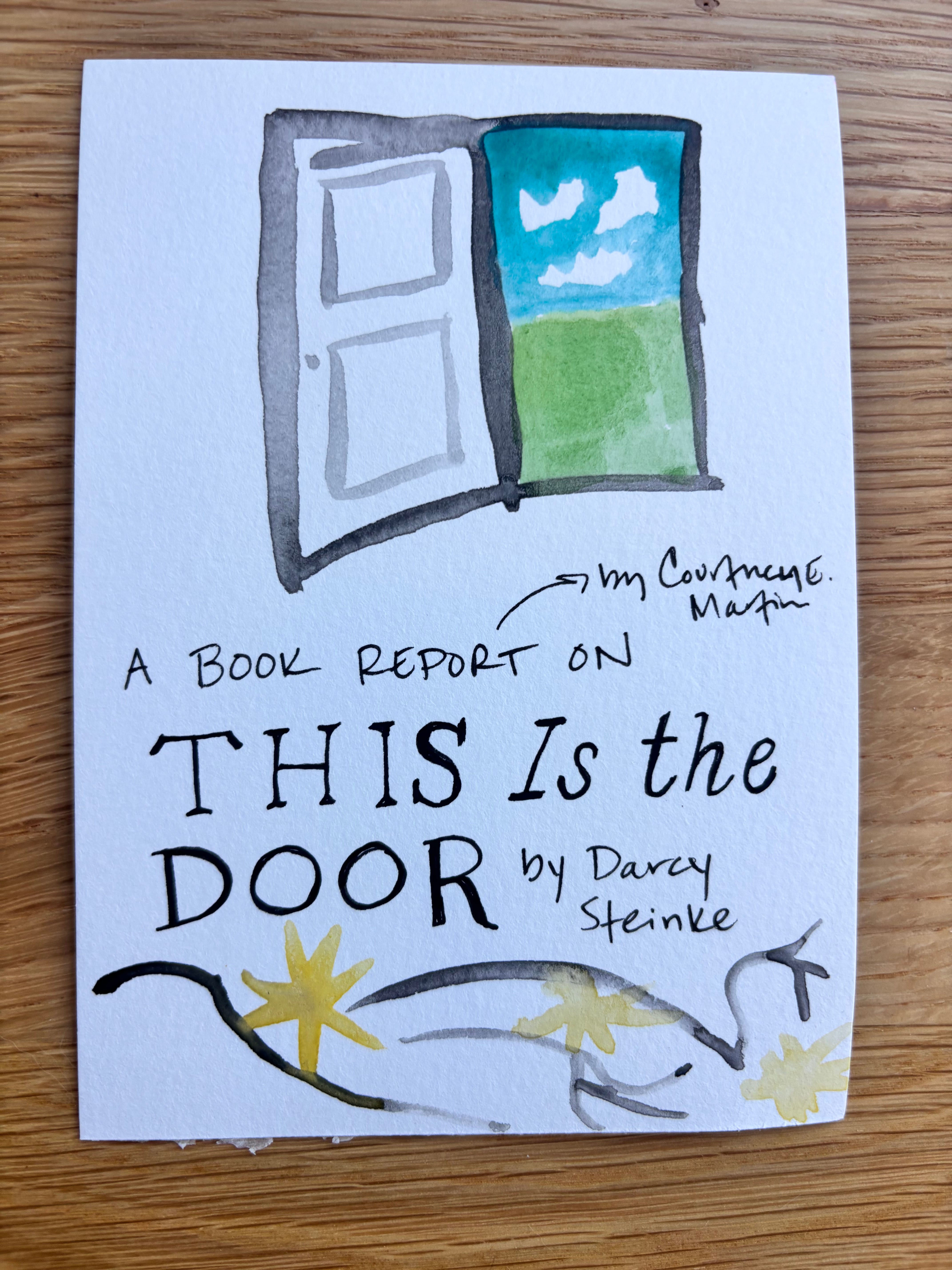
Darcey’s work has been a big inspiration to Nicki, so when she told me that Darcey had a new book out, This is the Door: The Body, Pain, and Faith, we decided we had to do a collaboration. This time around, Nicki is asking the questions and I round it out with a visual book report.
Nicki is an oral historian and on her Substack Mother Tongue she explores the body as a form of language, shaped by her life with her son Jonah, a neurospicy and disabled teenager. She has been a profound confidante for me on all things care, a spot-on recommender of humorists (Chris Fleming and Maria Bamford), and continually blows me away with the complexity and beauty of her writing.
Meet Nicki and Darcey…
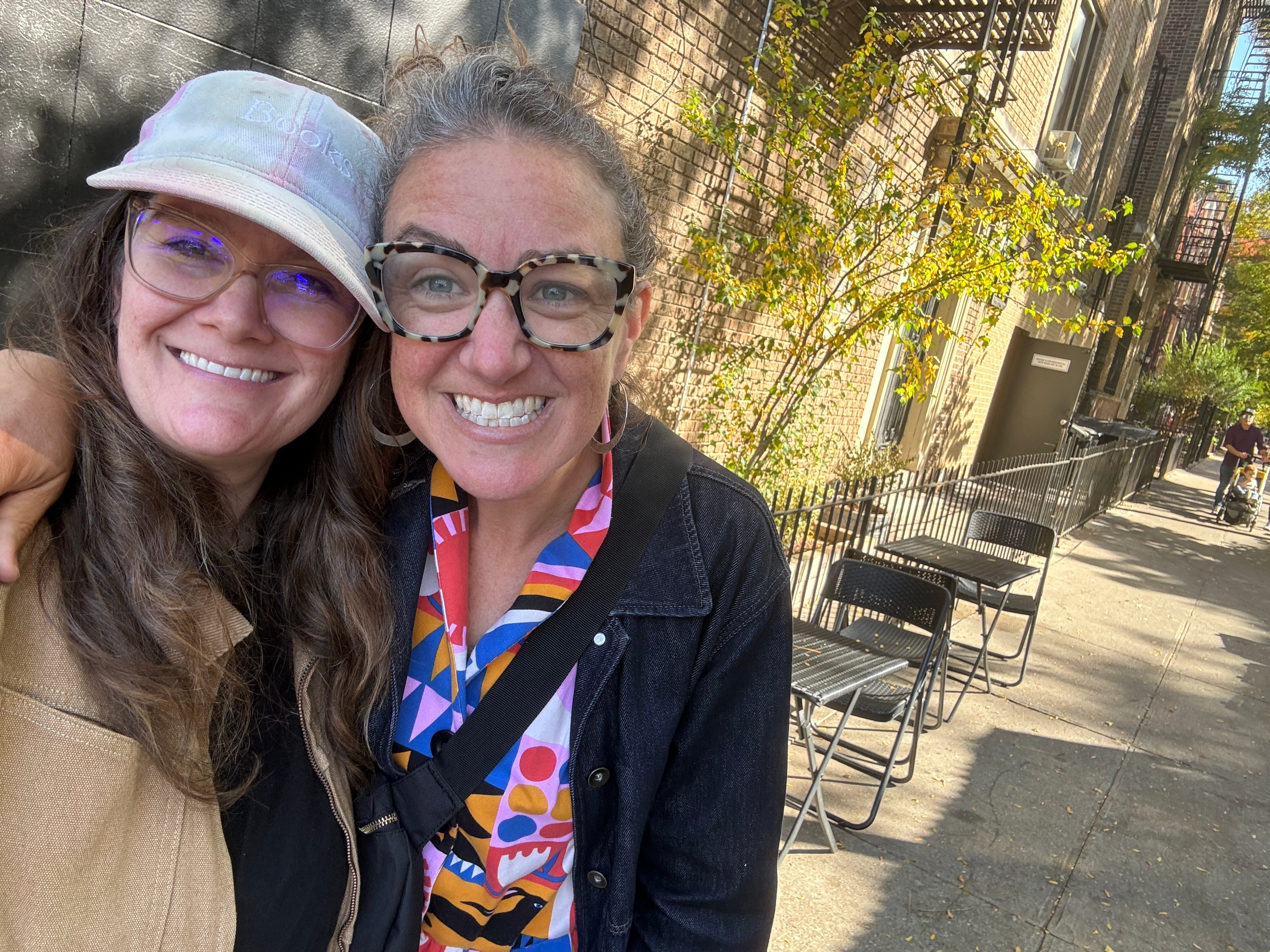
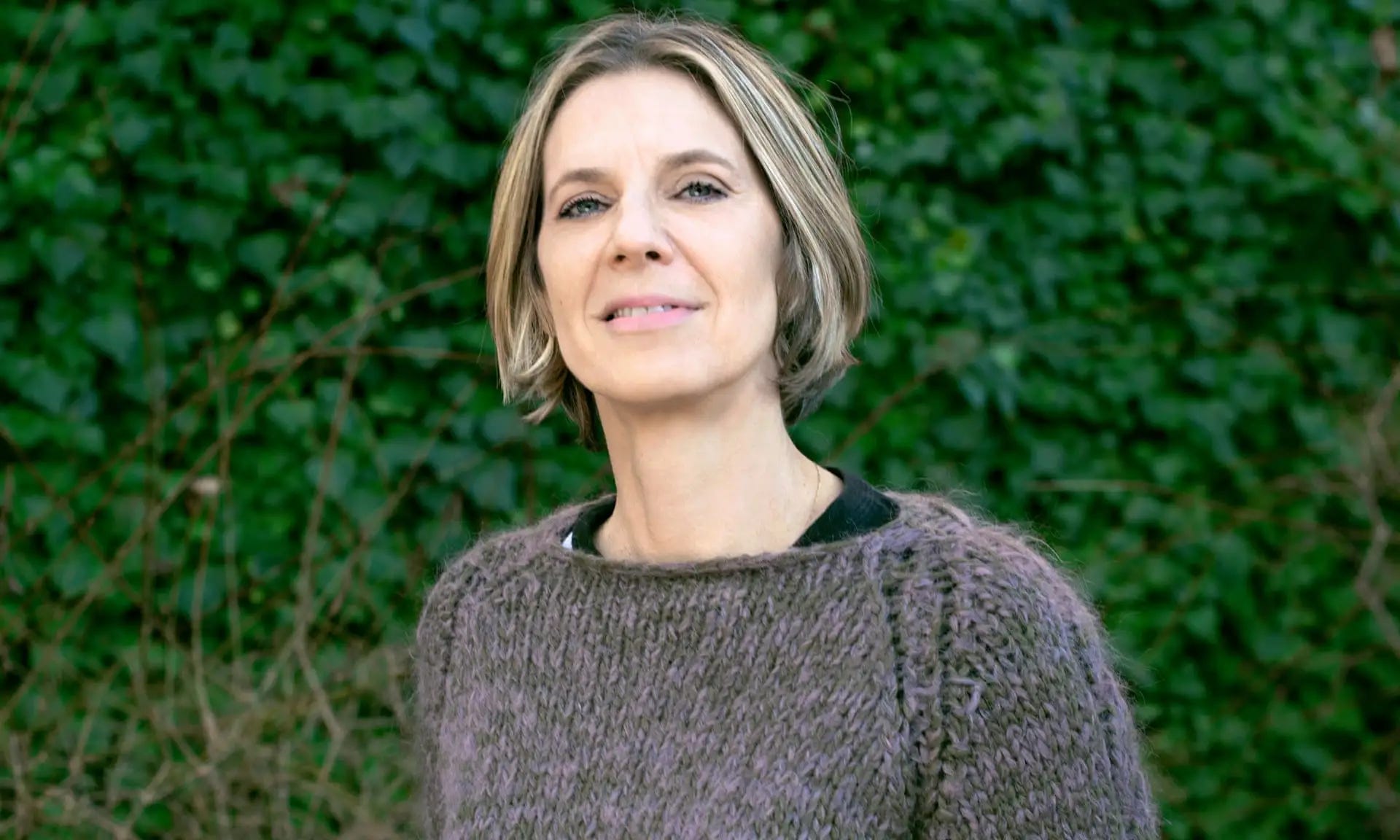
Nicki Pombier: I’m such a fan of the structure and movement of this book—the overall structure, and the way you move within each chapter. It feels associative and also architectural, like mind and body working together. Did the structure come from the experience of pain itself, or from trying to find a form that could hold both the body’s experience and the mind’s attempt to understand it? Or something else entirely?
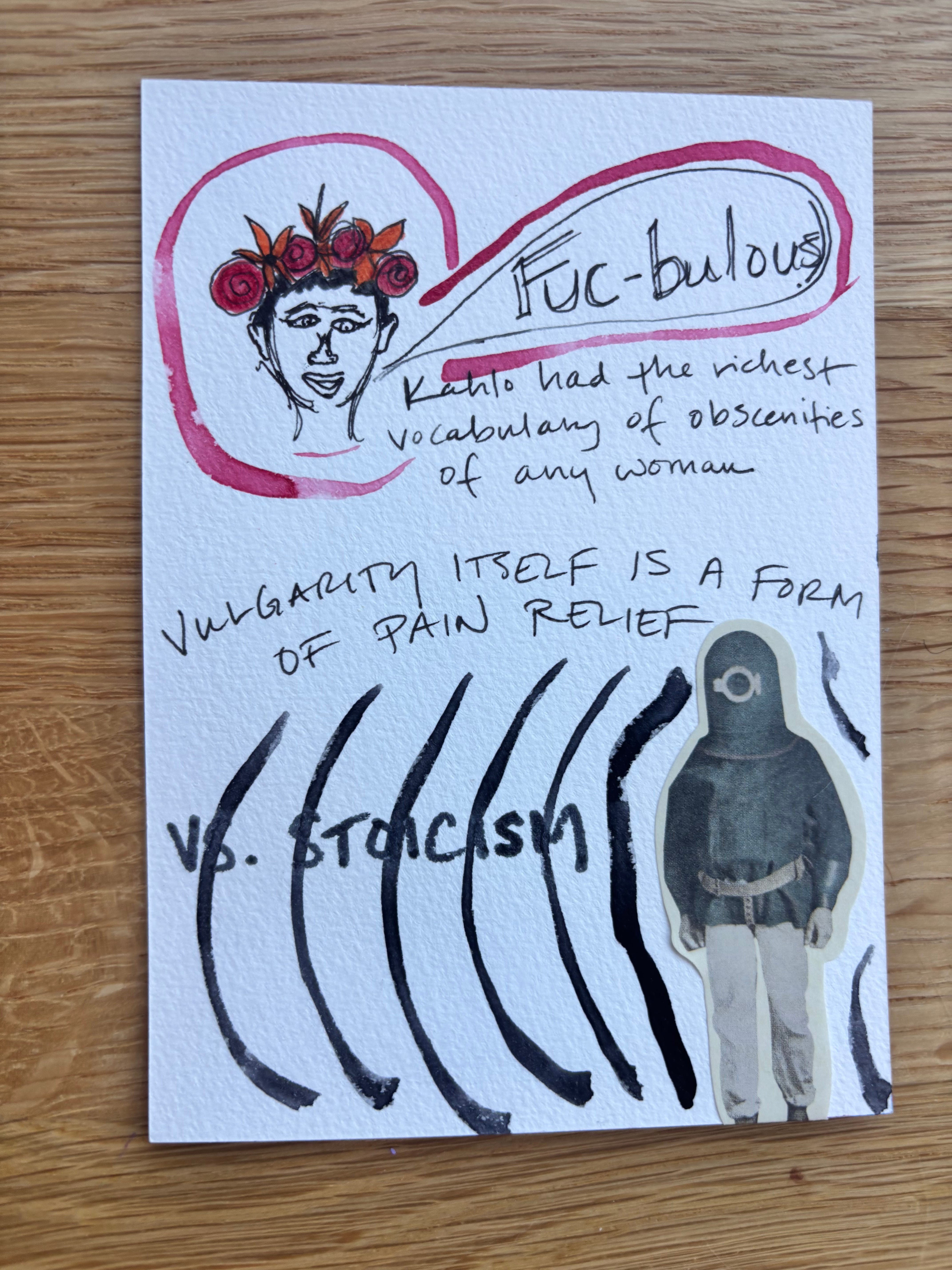
Darcy Steinke: I have always wanted to write a theology of the body. We forget that people make religion, which means it comes from the body. There is lots of talk on how the mind effects the body but there needs to be more on how the body effects the mind! I was also thinking of building a body within the book, as you said in a sort of architectural way. Frankenstein but tender and intentional. To try to build a story of a universal body made from my own, the suffers I interviewed, people I read about in the past, and the artists, like Frida Kahlo who were in so much pain.
Pain is horrible but also fascinating. I was interested in how it fragmented me, but also how at a very deep level it focused me. Pain pulls everything into it. It felt a bit like narrative structure. That tension at the surface of the story, the way a story has to have an off-kilter tension, something is not right, the self is fragmented, searching for wholeness. And then underneath all that, the theme which is always in one way or another about pain. Pain both fragments and joins.
I don’t know if the mind can every really understand pain, at best I was able to write around the void pain made, the absence.
I was especially drawn to moments where you bump up against the limits of language—“scars carry more information than words,” your note scolding yourself for using metaphors in your journal (“stop trying to make it into something else”), Elaine Scarry saying pain destroys language, and your experience at Lourdes of sensing that the potency of what people were experiencing was beyond language. What do you think language is for in the context of what the body knows or tells, itself? What does it actually do when we try to put words to something ineffable, or something that resists being named?
I am writing about Virginia Woolf’s amazing essay “On Being Ill.” There she writes how someone in love has a plethora of great poetry to reflect their experience but how little is written about pain and illness. Also, how language can fail us when we try to describe our pain to others. The essay was written in 1926, a hundred years ago, but I was struck with how resonate her ideas still are to me.
Elaine Scarry wrote about how pain shatters communication between people, but I disagree with that. I think the “beyond language moments” you refer too, contain some of our deepest humanity. I mean in the night, at my most painful, when my husband got up to help me to the bathroom and I cried out much like an animal in the dark we were viscerally connected. Pain may have shattered coherent speech but not human connection.
Also: as I was trying to describe my pain and the pain of those I interviewed and the artists I read about, I kept thinking about how essential the work of articulation is. It may seem grandiose, but I feel that somatic detail, communicating what our bodies have been through and how we suffer in the flesh, is one of the things that can actually change the world. I think of early feminist writers and also texts of formerly enslaved people like Harriet Jacobs’ “Incidents in the Life of a Slave Girl” and Chanel Miller’s victim statement at her rape trial.
In the opening, you write that you “wrote this book to try to understand the hardest period of [your] life,” and you return throughout to the way in which transformation can be meaningful even if pain itself is arbitrary. I’m curious about the vantage point of your own understanding. Did you need some distance from the pain in order to write about it—or was writing something you could do from inside it? What changes, for you, between experiencing pain and being able to make sense of it on the page?
During those hard months I kept a journal. I got up early, pain woke me. And I would stand (sitting hurt too much) at my kitchen counter and write in my journal. I was terrified the pain would not go away and I was worried about who I would become if that happened.
I am writing this right now at my kitchen table and thinking of those months, there is a sort of holy rawness to that time. Less to do with a deity and more with the lack of façade that pain brings, you lose interest in your thought structures, you don’t even have the energy to make up a god, so there is a feeling of “realness” that I think people get confused with holiness.
When you are in pain, you have many deaths and resurrections in a single day. So many small moments of wonder, the light in the leaves in my back yard and interactions I would have with dogs and children in prospect park. Those interactions took on a deep tenderness and meaning during that time. While in pain I could not understand the pain, but I did realize that my daily life in a way had been heightened.
My writing of that time was mostly to remind myself that I was still a self and that the world had not spit me out completely. A lifeline kind of work.
I started This is the Door, after my spine surgery and recovery. I started to see how I had changed and I wanted to tract that back to its origin.
I was so moved by seeing your own work of listening to the pain of others woven alongside your father’s work as a chaplain, and loved how you included parts of his writing too, from his unpublished book. What has it meant not just to gather these stories, but to bring them out on the page? How did that listening change you—as a witness and as a writer?
This was a profound part of the book. I would do the interviews often in the evening over zoom. And just to have people tell me so honestly about their suffering and in such great detail…when we were done, I’d turn off the computer and just sit at my desk, really moved. There was a delicate sadness but then hope too in the sharing.
My father was a Lutheran minister and later a chaplain at Bellevue here in New York City. When he was making the switch from parish minister, he told me that he would rather bear witness to people’s suffering then to preach the word of God. I was in my 20’s at the time and it really affected me.
He modeled the idea of meeting people in their darkness and letting them express their pain and fear. I think all my work has been filtered through this idea, but since his death I felt I wanted to listen more directly in a way that was different then his practice as a chaplain but also akin to it.
I was so struck by the example of Frances Burney, and how you framed her decision to write about her experience as a kind of solidarity across time. I also appreciated the proposition that how we deal with our own pain might shape how we respond to pain at a societal level. And I loved the care you showed for others throughout - especially your uncertainty about writing relief, when so many people experience pain without end. How did writing this book impact your own experience of the relationship between personal pain and collective life?
By the end of the book, I was more aware of the pain of others. Now when I am on the street and see people with mobility issues, I understand that they are also in pain. In learning about other bodies, I became a more tender person.
I taught a graduate workshop this past fall at Columbia and I was aware in a new way, of the suffering my students carried, their mother’s strokes, their heartaches, their worries for the future, their class shame, their past traumas. It was a powerful thing to feel.
I love the Frances Burney letter too, it’s a model for me of the difficulty in sharing what is happening to one’s body, in her case a mastectomy, but also the power in doing so. When we signal out, even in a letter to our sister like hers, we can’t really know or grasp what our honesty will mean to others. I think there is hope in that, the reverberation of even our smallest authentic gestures.
We donated $250 to Prospect Park Alliance in honor of Darcey’s labor.
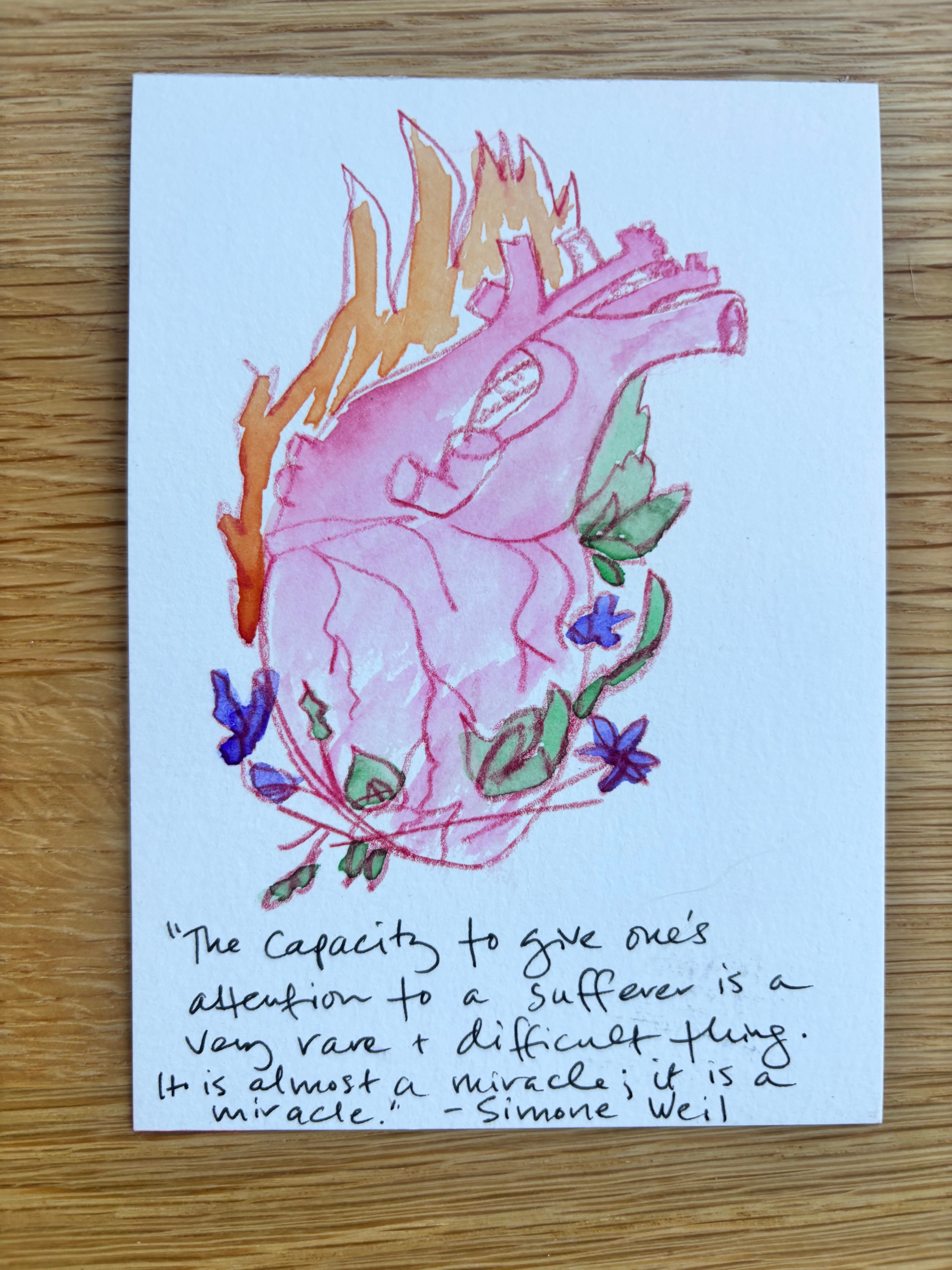
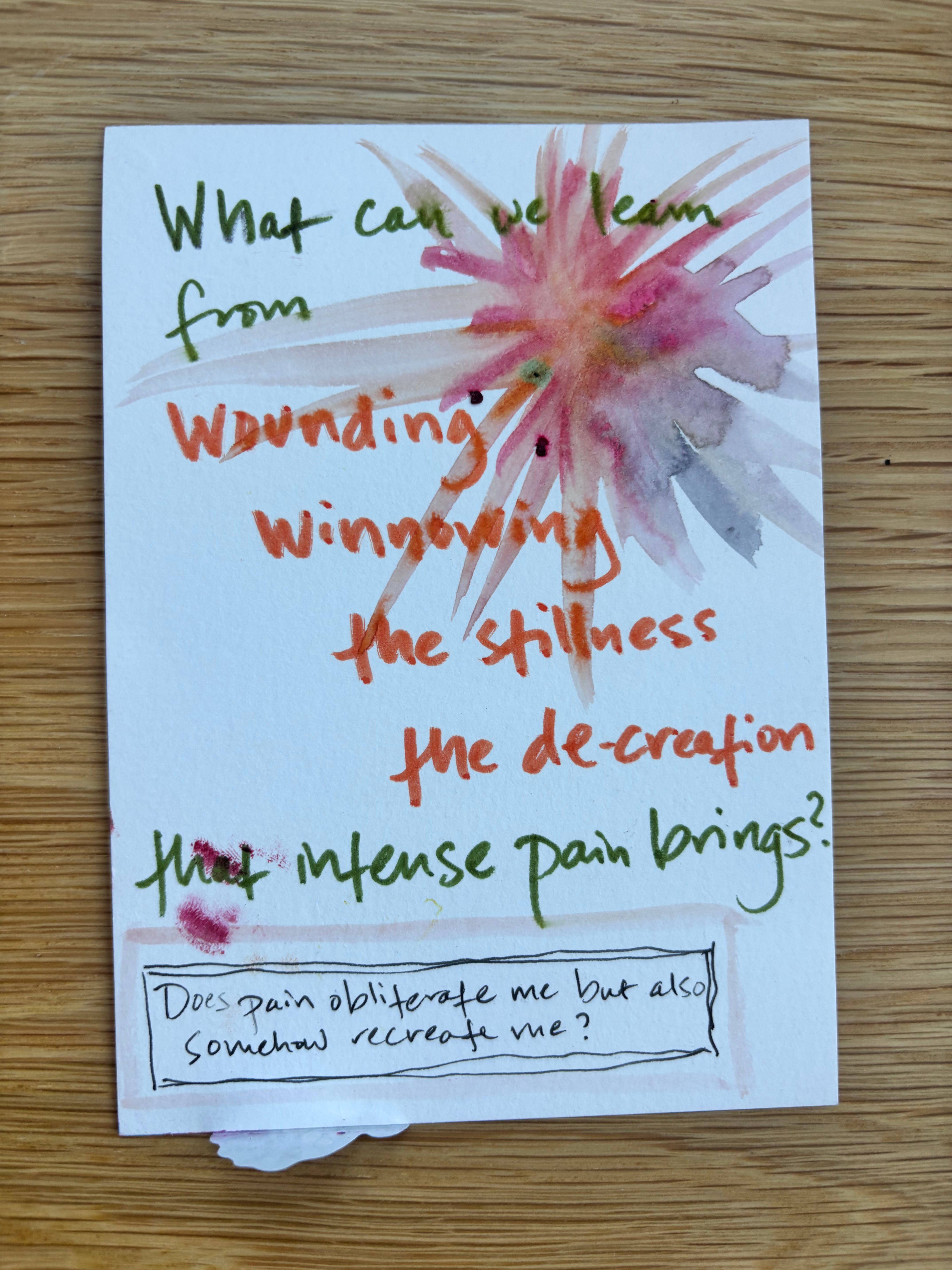
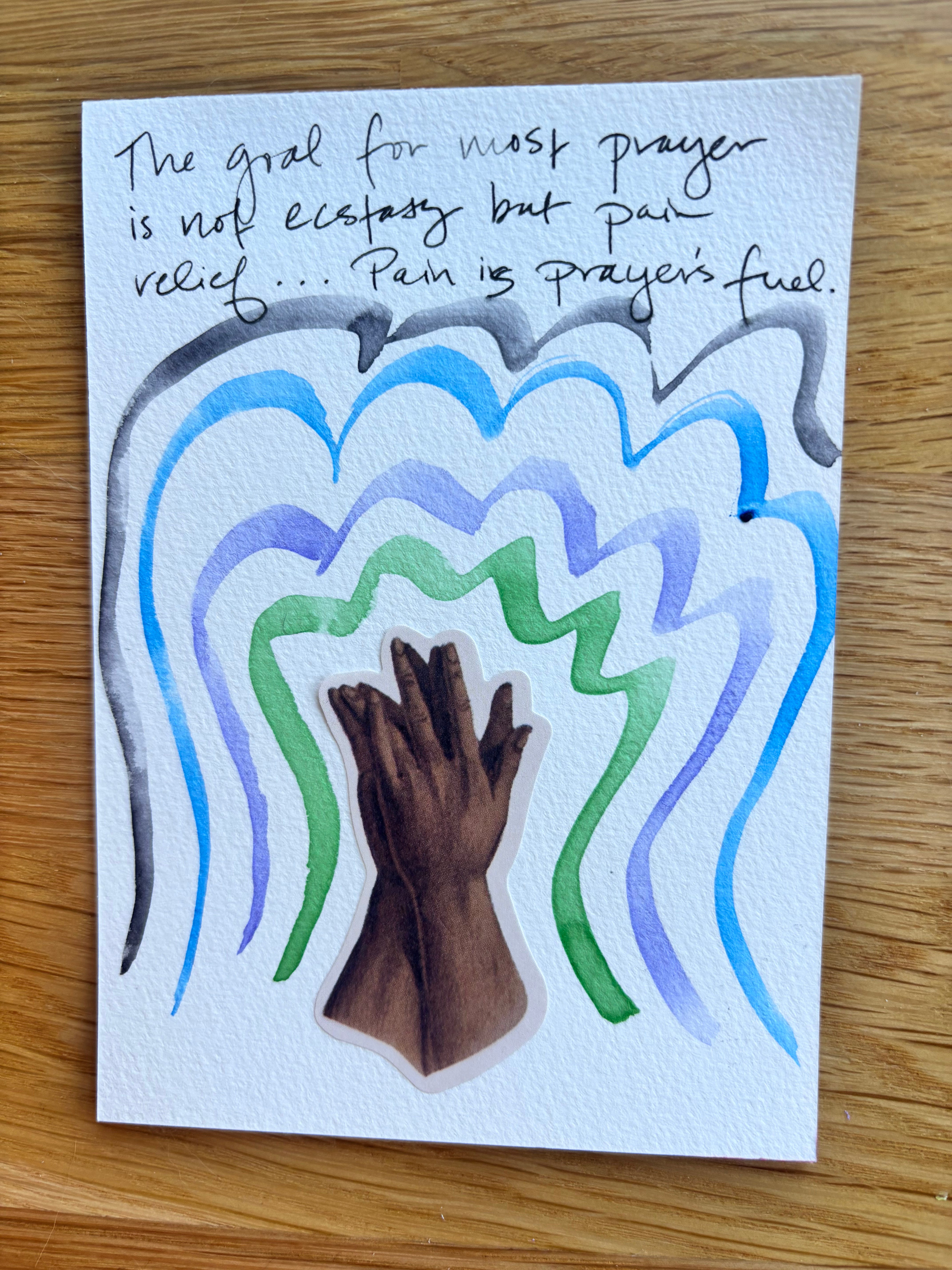
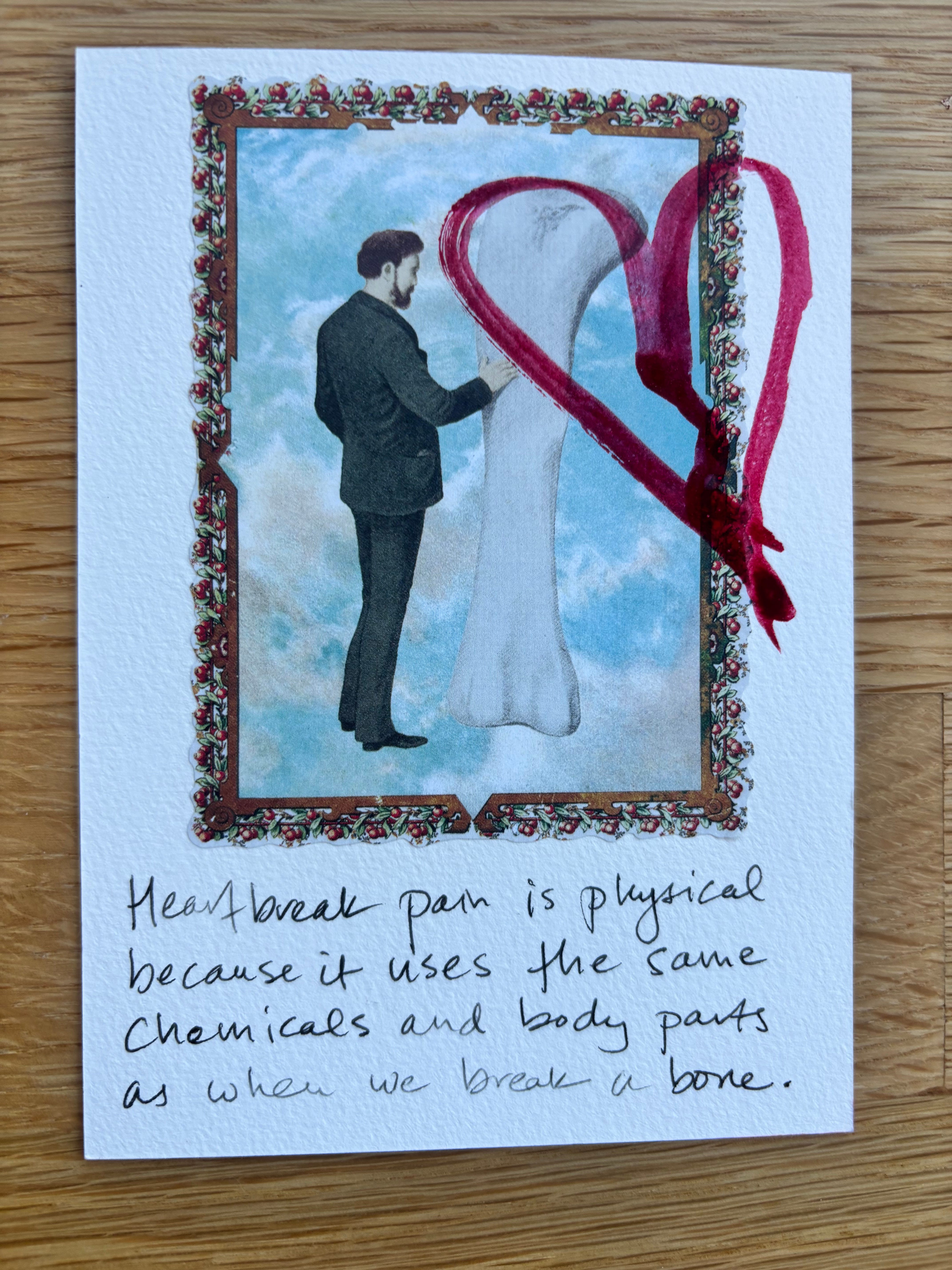
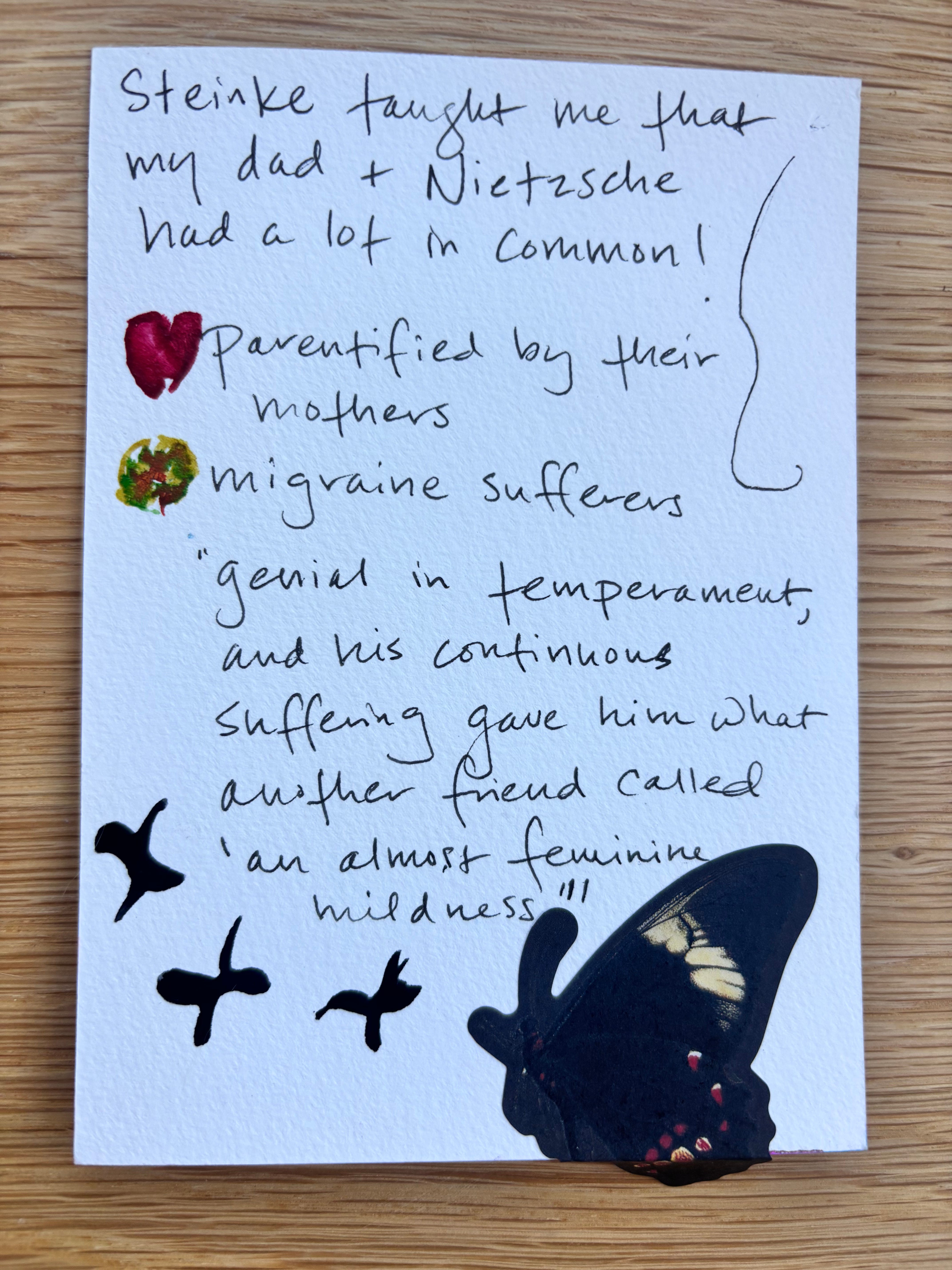
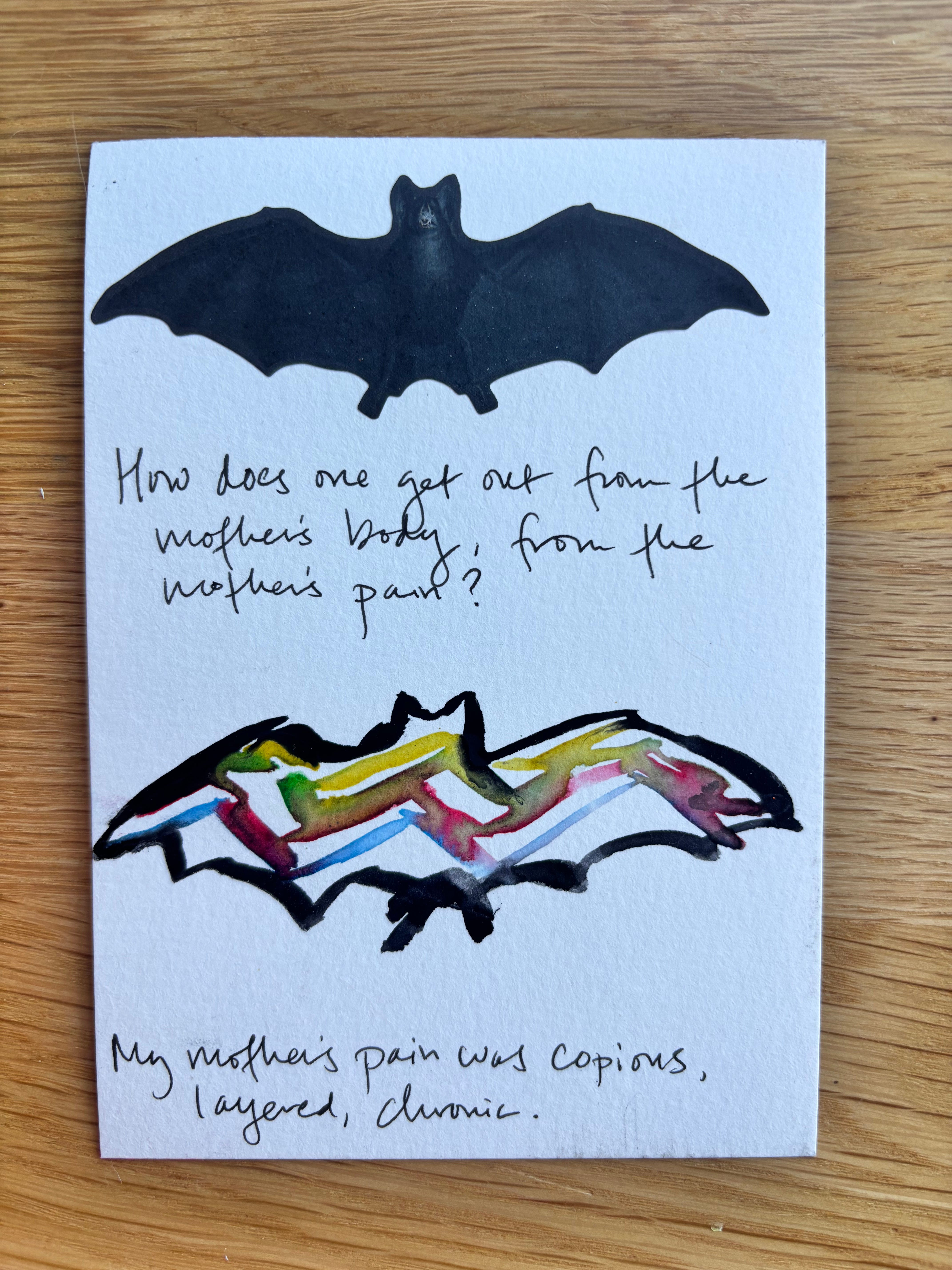
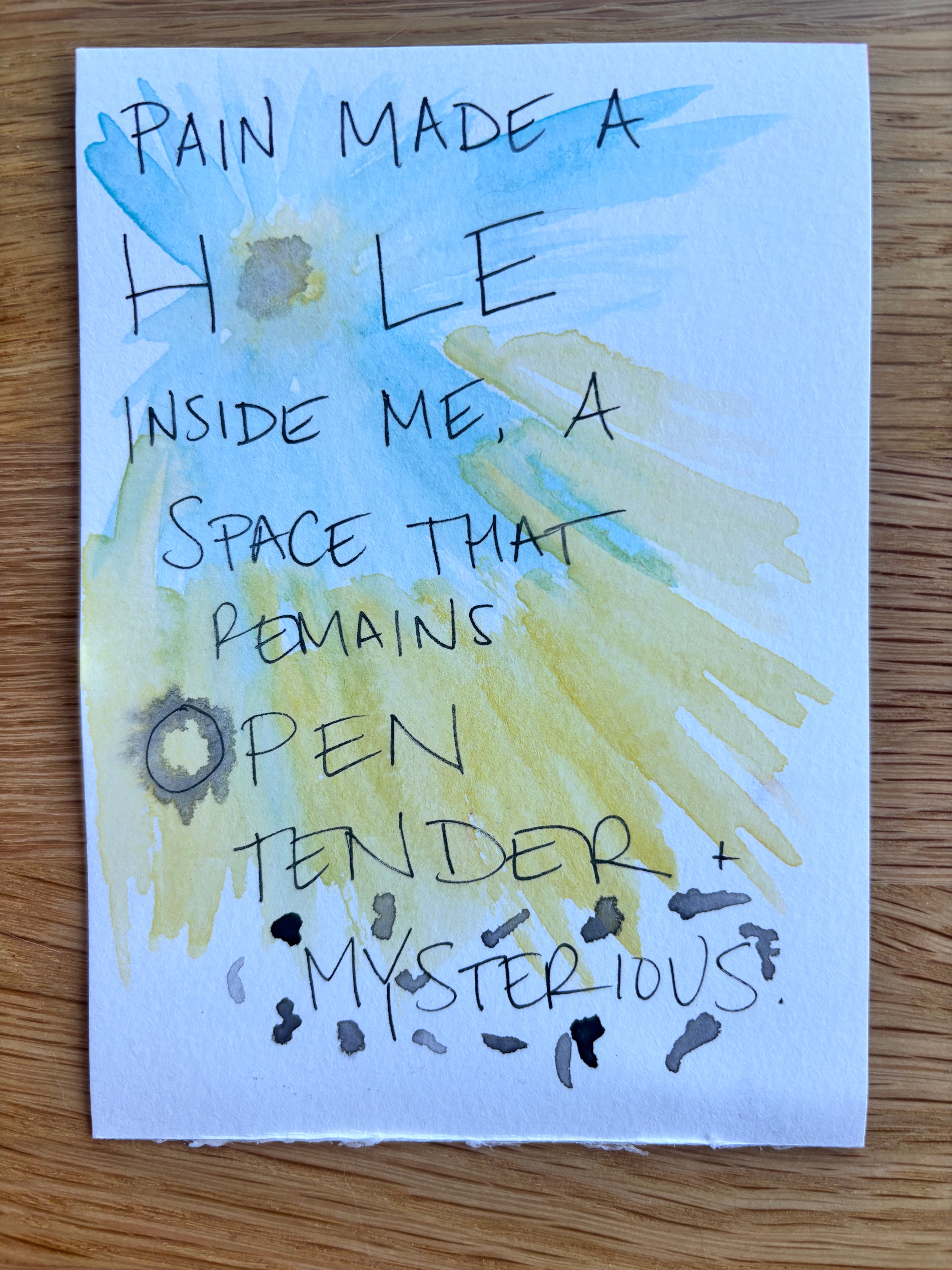
I absolutely loved this back-and-forth between Nicki and Darcey. Didn’t you? I also LOVED Darcey’s book (which you can buy here). In fact, I loved it so much, I made another one of my weird little book reports on it (forever h/t Christie George). Thanks for the inspiration, Darcey, and thanks for the brilliant questions, Nicki dear. Subscribe to Nicki’s Substack, Mother Tongue, and be blown away by her tender meaning-making.
 | A guest post by
|
I’m in the middle of this book right now, reading it because I love Darcey’s work and also because I have a few friends who experience chronic pain and I want to understand their experience better. This is beautiful: “In learning about other bodies, I became a more tender person.” I hope I get there too.
I ADORE THIS.