
'Things that make me happy'

I made another reading list! This time on the virtue of friction. Check it out and fall out of love with efficiency.
My crew at FRESH and I are co-hosting another webinar with The Robert Wood Johnson Foundation—June 16th at 1pm EST. This time we’ll delve into our recent report “Who Gets the Mic?” which examines what voices and narratives tend to dominate the conference circuit, which perspectives get left out, and what conference organizers and speakers can do to make these rooms more equitable. Register here.
Your ongoing support of this newsletter—through comments, shares, reposts, and subscriptions—makes me so very happy. Thank you thank you.
My dad, who now has very advanced dementia, kept a big brown leather binder full of his favorite quotations over the course of his life. It also has cartoons and articles, lists of goals, and various reflection exercises he did at retreats or while reading books on Buddhism or other topics. Lately I’ve been looking through it and getting to know him in new ways. I found one list that I can’t stop thinking about…
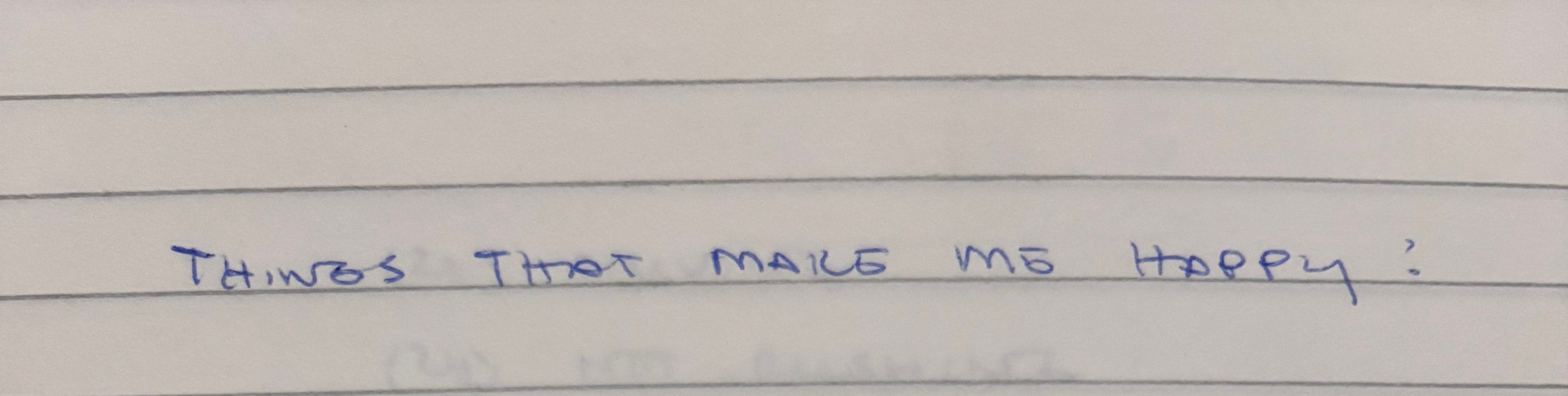
On the one hand, I was blown away by how many of the same things make me and my dad happy—little things like “sitting in the sunshine” and “the smell of coffee in the morning,” but also subtle, but telling things like “completing work” (see the completing there?). Smoking his pipe made him happy, as did learning, reading, and going to me and my brother’s basketball games. I imagine him in his midlife form, sitting in the stands and beaming, swinging in the backyard and smoking, and it makes me feel warm. Papa, you were such a grounding, gentle force for me.
There is one item on the list that stopped me in my reading tracks: “wearing jeans.”
Wearing jeans?!
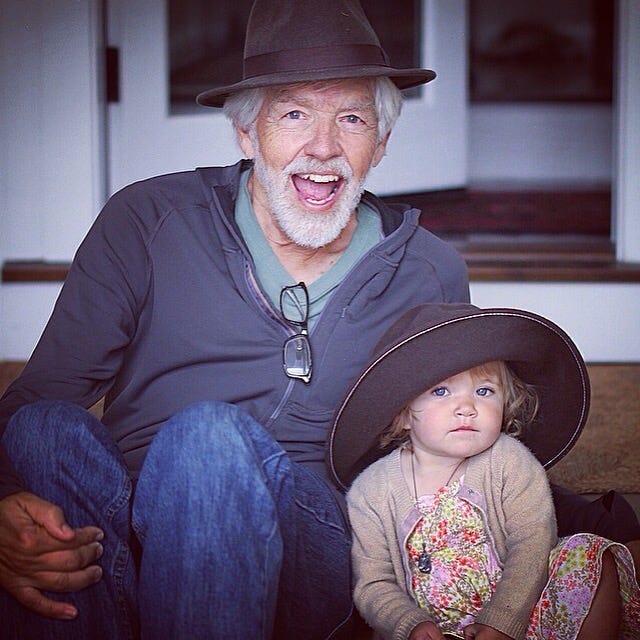
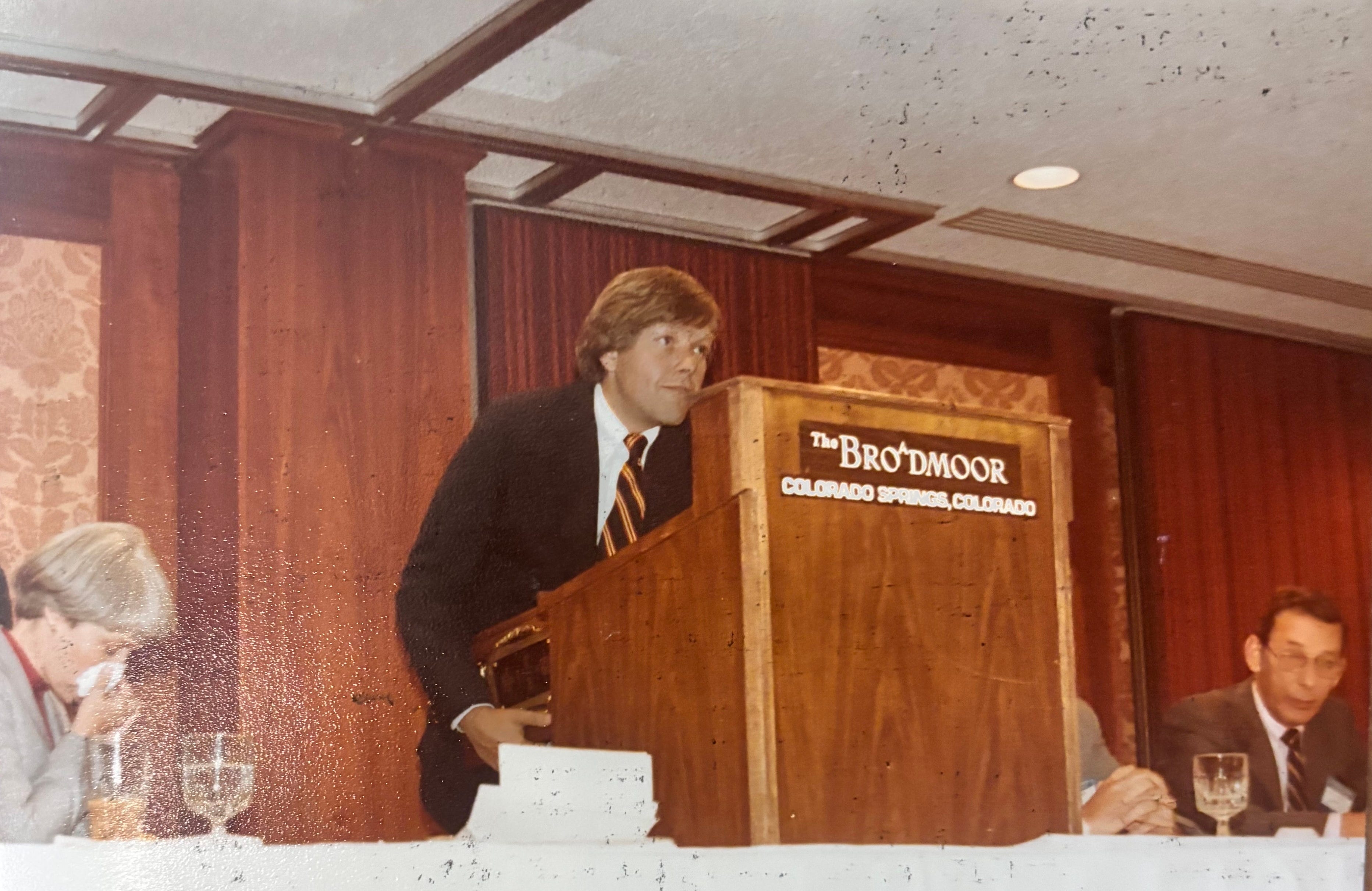
I’ve been thinking about it in the months since I first read it and it’s felt like a portal into a generational rabbit hole of contrasts. My dad was a bankruptcy lawyer at a mid-sized law firm and wore a suit and tie every single day to the office. I loved to hang out in his room with him when he got home from work. He would take his suit off and steam it ritualistically before hanging it back up in his closet. I can remember the sound of the soothing puffs of air and how his very skinny, sock-imprinted ankles looked so vulnerable in contrast to his status-filled suit. We would talk. I don’t remember about what, and he would press out the wrinkles and seemingly reorder the world as the sun set.
What I didn’t notice was that after he hung up the suit, he put on jeans, and that those jeans made him happy.
Why does this matter so much to me now? It’s not the fact that I didn’t know the jeans made him happy. That’s sweet and I do like learning it. It matters because upon reading it, my mind has been unspooling all the conditions that were present in his life that made it possible for “wearing jeans” to make it onto that list. He wore a suit each day and he wore a suit each day because he had a formal job and he had a formal job because his dad didn’t; his dad was a traveling salesman and created a family culture that was all boom and bust, which left my dad panicked, sometimes hungry, and eventually, very angry. So my dad got a formal job and worked to feel safe all day long while my mom did the primary caregiving for me and my brother and then at 5pm he put on jeans and felt “happy.”
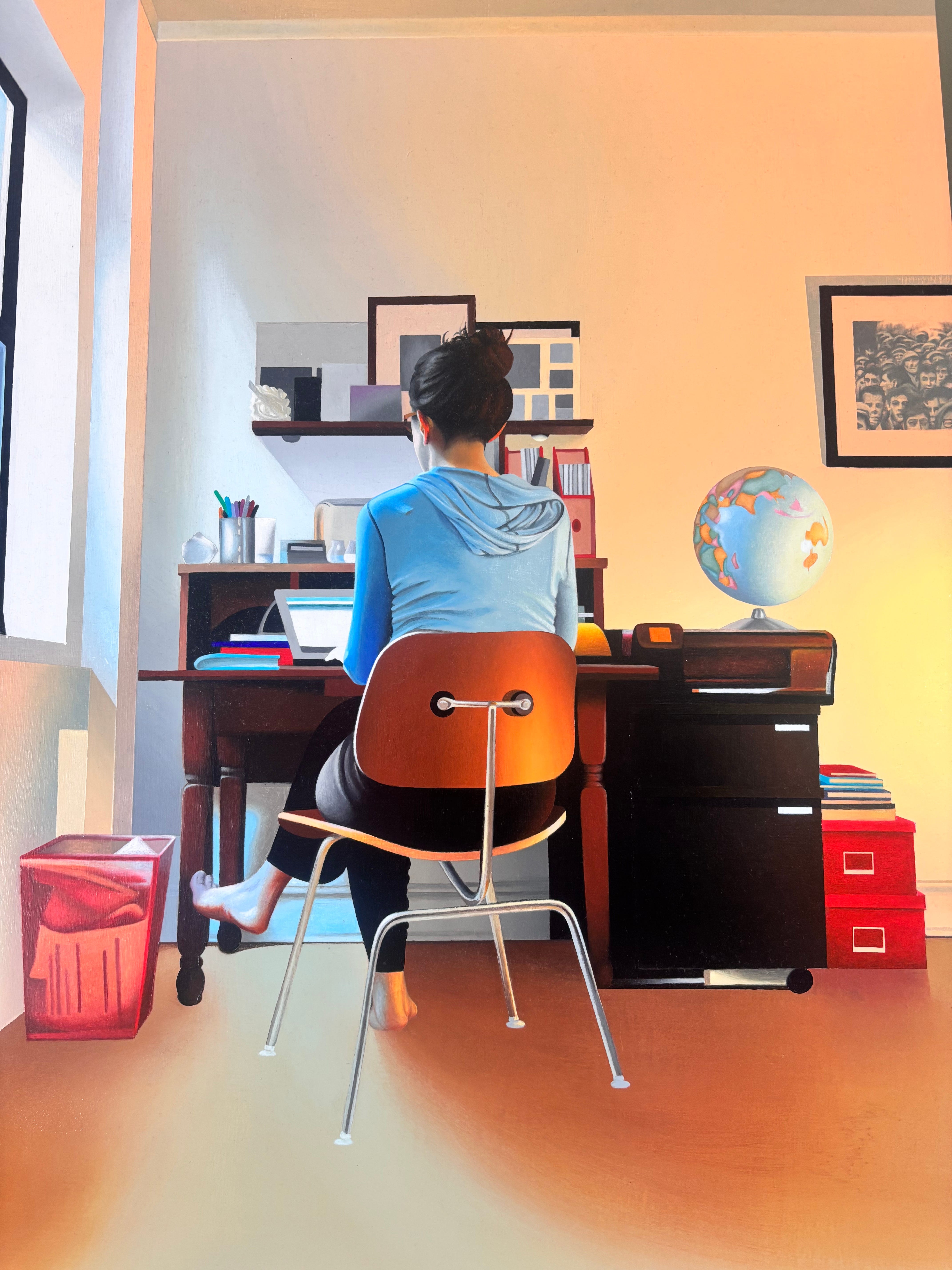
Do I do my job to feel safe? In some ways, yes. I write because it is cathartic for me to turn my own experiences into essays and my own anger at the systems related to those experiences into reported articles. It makes me feel worthwhile, which is a form of safety I suppose, to be useful to you, dear reader, and to society, through my writing. But it’s not done in a panic. It’s done—so much of the time—with great pleasure and surprise and gratitude, and sometime even a sense of a mystical connection to something much larger than myself. And it’s not done in a suit. In fact, it’s often done in jeans. Or exercise pants.
The ultimate privilege, it seems to me, is to feel safe and like you belong somewhere. My friend, who is studying nervous systems, says that’s what all healing work is about at the root of the root.
Who would my dad have been if he wasn’t working so hard to feel safe his whole life? I’ll never know. Neither will he. When he retired, he discovered it wasn’t the utopia he had dreamed it would be. His body didn’t know how to rest, so his mind made to-do lists that haunted him. Fixing something around the house became, not a small satisfying act, but a huge and ugly thing that he might avoid and dread and then do badly and then beat himself up about. He aimed to learn to cook and serve my mom, and rarely did. He would grow panicked at the grocery store about which brand of corn chips he was supposed to buy. Formal, full-time jobs certainly can fill bank accounts, but they don’t build muscles for a self-composed, liberated life; my dad was basically frozen in the face of his long-anticipated dream to be free. He tried to rid himself of his chronic migraines, but it only happened once he got early onset dementia—a cruel gift.
My dad’s brain isn’t capable of making lists anymore. He mostly wears sweatpants these days. He appears to feel totally safe and often content, if not happy exactly. He belongs beautifully at his memory care facility, where his roommate Tony looks out for him and his care partner Rita smoothes the crumbs off his shirt. Dementia is the worst fate and also, it has rendered my dad un-haunted for the first time in his life. I hold these two truths in my two hands and have no idea how to discern their weight.
I am grateful for my safety. I am grateful for my belonging. I am grateful for my work, which feels so lucky because it grew out of my innate gifts and joy rather than a defensive crouch. And I am grateful for my genes and my jeans—my dad, my wounded healer, who made me feel so safe somehow, and with whom I share so much temperamentally, spiritually, and corporeally. Jung said that the un-lived life of the parent is a heavy weight to bare. I think that’s true. I also think that our parents’ lives, their longings, their hard emotional and literal labor, can often gift us with a formative lightness we hardly notice.
What lightnesses did your parents’ lives gift you? What forms of lightness do you wish you could pass on to your kids? What happinesses do you share? Where are the contrasts? Spill it all in comments, please! And share this post with someone who you think would benefit from this reflection in their own lives.
And in honor of my dad, a short list of what is making me happy these days:
playing the piano
drinking Racer 5
cuddling my dog
laughing and crying with my friends
watching the NBA finals with my mom and brother
crawling into bed with my dad
hiking and talking with my husband
being read to by Stella
playing Colorku with Maya
holding my friend’s new baby
talking about crushes and enneagram and elder care
reading novels from the public library
listening to Outkast
driving along the ocean
baking lemon cake
Poignant. Oh so touching. Your dad’s being “un-haunted” in dementia. Such tenderness and glowing love in this piece. Thank you. 🙏🏻💗
Thought provoking essay! I think that a lasting impression from my dad's work life has impacted my own career path. After World War II he found himself at an air base in northern Maine and opted out of the Air Force. He became self-employed ever since rolling with the ups and downs of the photo finishing business. Fast forward to 1992 when the job I had dissolved due to insufficient funding via grants after 6 years of employment. I was on my own with a wife and two daughters. I believe that a "gene" awoke in me - If my dad could thrive as a self-employed worker, so could I! And, for the next 5 years I survived not knowing when/where the next paycheck would arrive or where I would be throughout the United States in any given month. I thank my dad, now in his 108th year, for showing me the way. Also, my sense of risk taking has followed me on my career path beginning with a move to Eugene, Oregon in 1977 with no job lined up and a soon-to-be born daughter - - - but knowing, if my dad found a way, so could I.