

I have been marinating these last two weeks in grief and euphoria and the pure communal love of such a wide circle of family, friends, and readers who have reached out with cards and lasagna, stories and blankets, cookie dough (never got baked; eaten directly) and flowers. My goddess, the flowers! You all are too much.
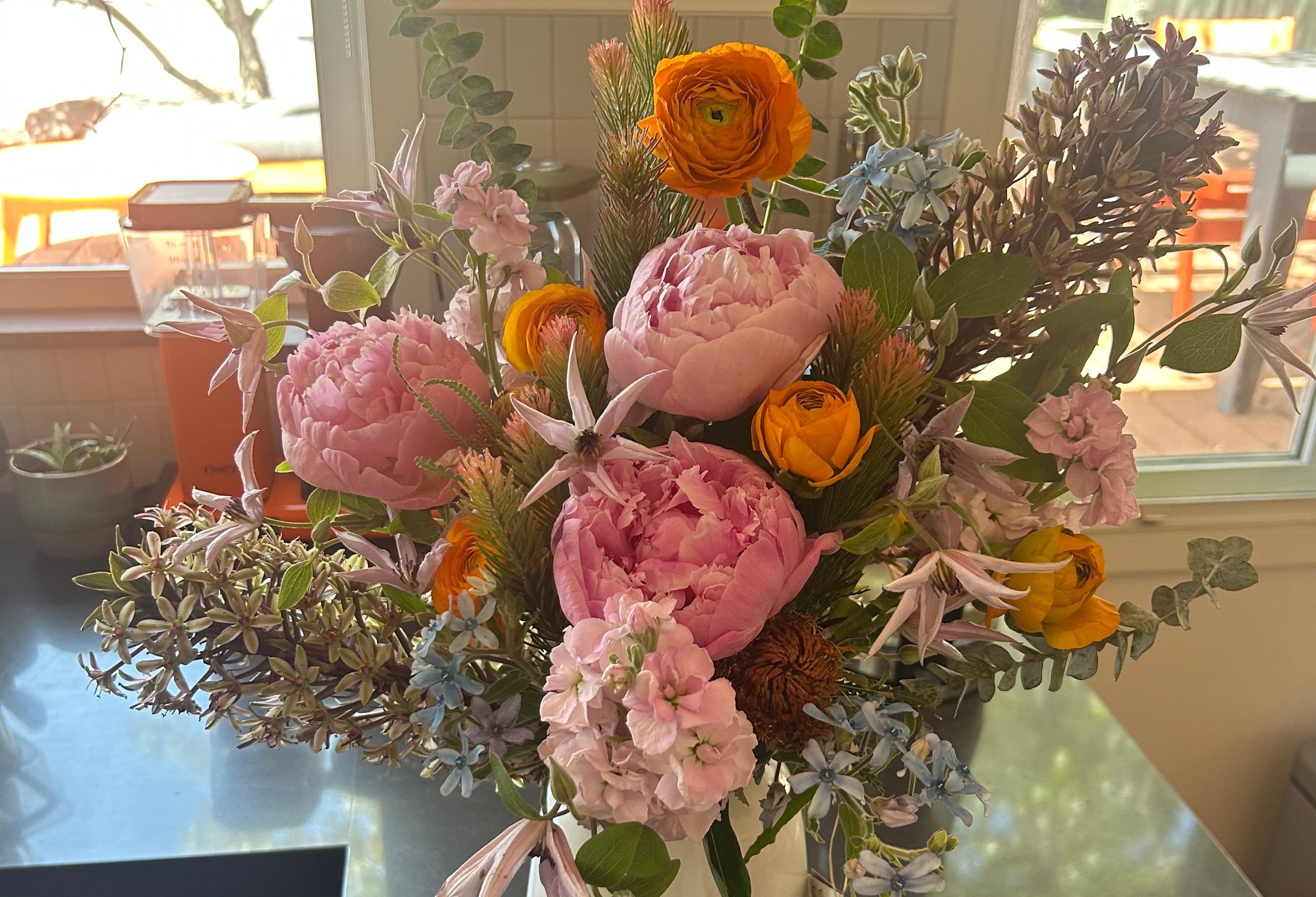
I’ve also been trying to decide how much of the last week of my dad’s life I wanted to share with a wider community of readers. Questions I asked myself: Does the sacredness of it lose something by being shared publicly? Will people who weren’t privileged or lucky enough to have a final week like this with someone they love be triggered by the contrast, creating suffering? Would my dad have wanted it shared with strangers?
I don’t have pat answers for any of those still, but I do know this. In contrast to my birth experience, when I could find a million birth stories to explore what I might expect, I haven’t read or heard many death stories. It seems we’re more afraid of death than we are of reproductive power, and, in this culture, that is saying something!
I have decided to share this story so that you might know what it can be, not what it is monolithically or should be. It can be a thin place honored by the people around it as spiritual and relational, not just medical. It can be, like birth, a dance with breath. It can be a mystical listening.
I have also decided to share this story because of a text message I got from a dear friend after my dad died.
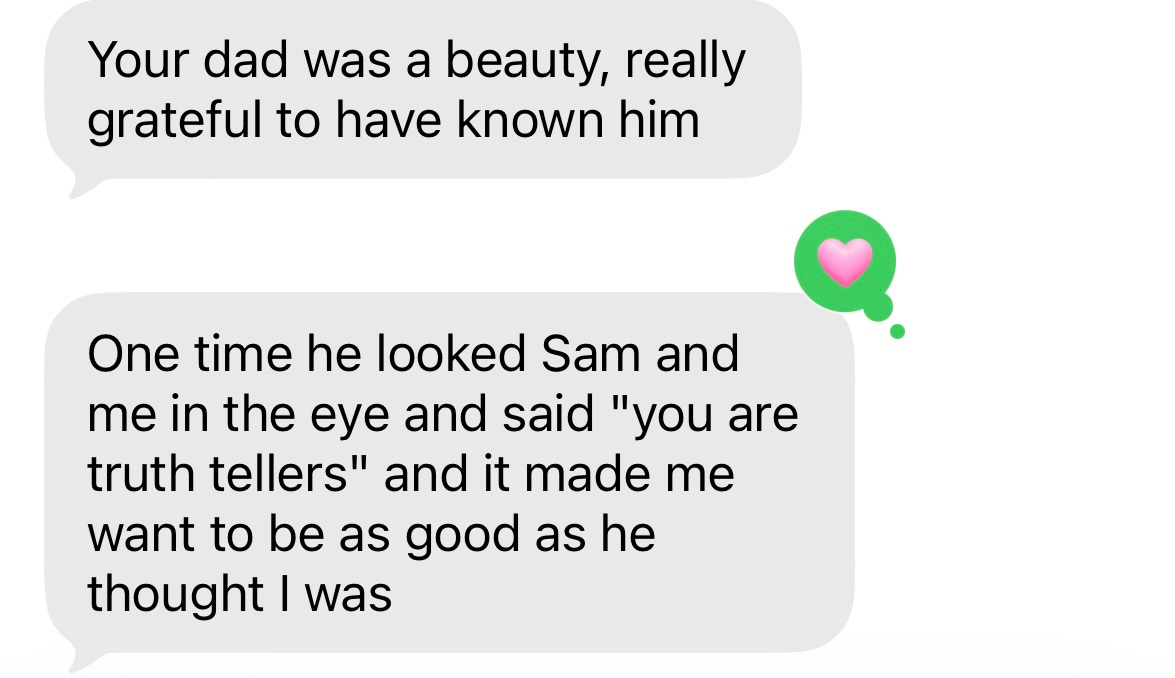
My dad was obsessed with listening to and celebrating what he saw as the “truth tellers” of our time. It was actually the main thrust of the toast he gave at my wedding, not about John and my love per se, but about the beautiful community of friends we’d gathered who he believed were just the young people fit for times like these, to tell the truth, and keep on telling it. There wasn’t a dry eye or an insecure heart in the house that day. He made everyone feel on mission.
This seems like one more way to tell the truth. I wrote it in the form of a letter to my dad, because while we were there together, there is so much about those four days that remain a mystery—first and foremost, what he was experiencing during that time. I had a longing to tell him my version.
You did it! You made it to the other side!
What that side is I’m not sure. As Mom, Chris, and I sat next to your dead body alternating between crying, laughing, disbelieving silence, and in Chris’ case, eating a chocolate croissant, we discussed. Chris thinks your spirit is now dissolved into the great energy of the universe–unsurprisingly a very nature-based belief. Mom believes your spirit, or at least part of it, has stayed discreet, and that we might be able to commune with it or enjoy visitations in the days ahead.
I don’t know what I believe, but I do know what I experienced and it taught me that love really does transcend everything else. Here is how it went for me:
Elder Ashram staff told me that you had become lethargic over the weekend, so when I arrived Monday at 11am, I expected a change, but not this one. We’ve been on a roller coaster with you–thinking you might be headed towards the end, only to find you reconnecting and wheeling around assertively again.
But this time was different. When I sat beside your bed, I immediately felt that I never wanted to leave again. I sent your doctor a video of your labored breaths and she called me right away. I told her that I was unsure if I was overreacting and she replied, “You are a deeply feeling person, Courtney. Trust your intuition on this. I do.”
She called the nurse and told her to bring your first dose of morphine, which she promptly did. I told you I was with you as you stared off, milky-eyed, into the corner of the room and took breaths in and out, in and out. I tried to imagine that soon you would take a breath out, and then not another one in. It was unfathomable even as it loomed so distinctly. Mom, Chris, and Maya came shortly after.
You never regained consciousness thereafter. From there, it was days of watching you breathe. I thought I knew what it was like to watch people breathe because of my daughters–I’ve spent many hours next to Stella with a terrible croup, wondering when it’s time to rush to the emergency room. But I’ve never watched breathing like this–days on end, hour after hour disappearing as if they were minutes. It was exhausting and sacred.
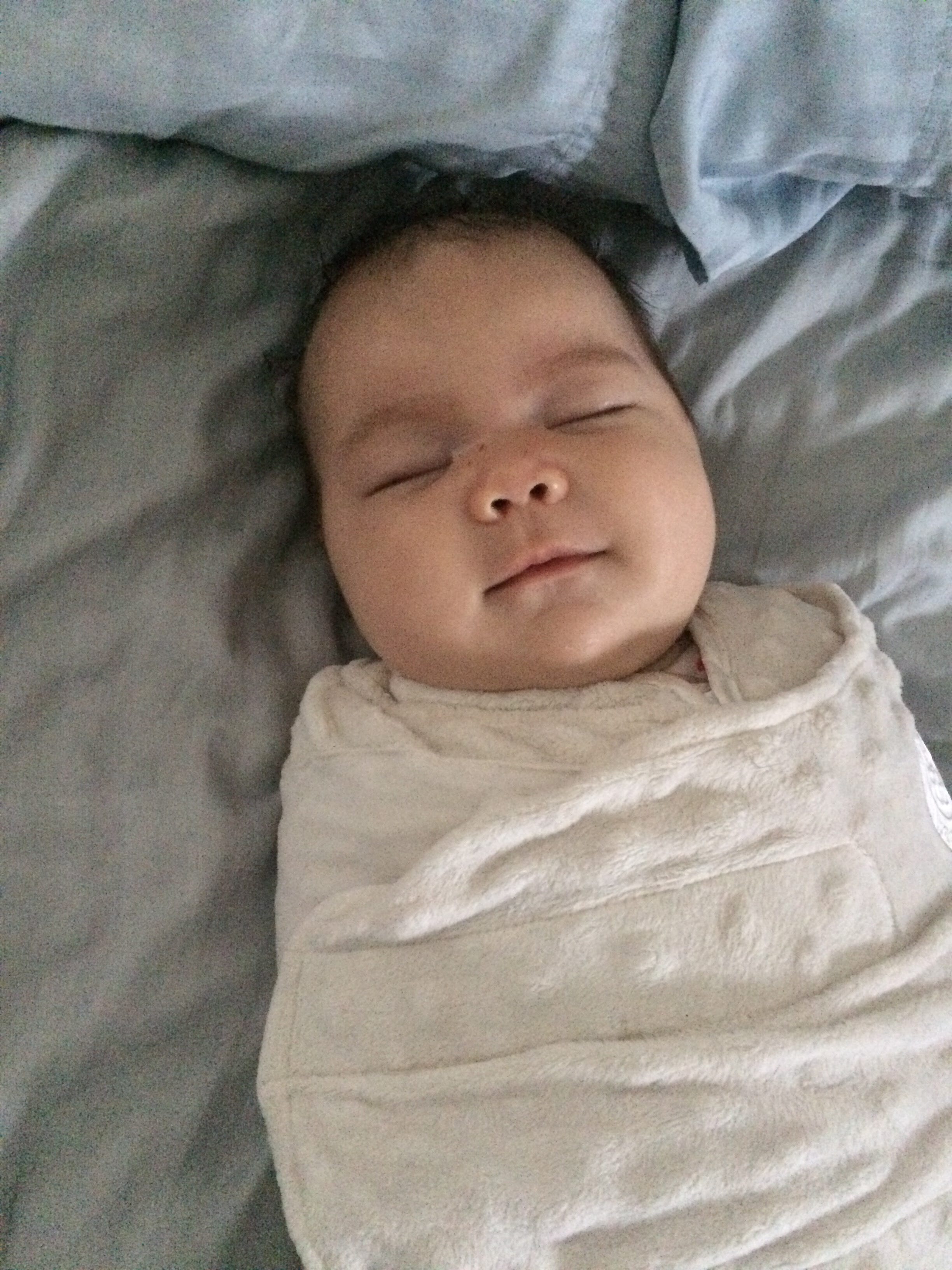
Mostly different combinations of us–usually Mom and I–sat in your room, watching you breathe, telling you it was okay to go, expressing our deep and unwavering love. Sometimes I read translated poetry from the Buddhist Therigatha (“Verses of the Elder Nuns”) or some Pema Chodron (we’d both loved her gentle urge to accept change) to you. Sometimes we played music you loved (The Beatles, of course) or music we loved that we wanted each other to hear (Joy Oladokun and Joe Keery). I also played a voice memo from Louise, my 88-year-old friend, who studied with Thich Nat Hahn. She sang you a sacred song and as her voice wobbled, I cried.
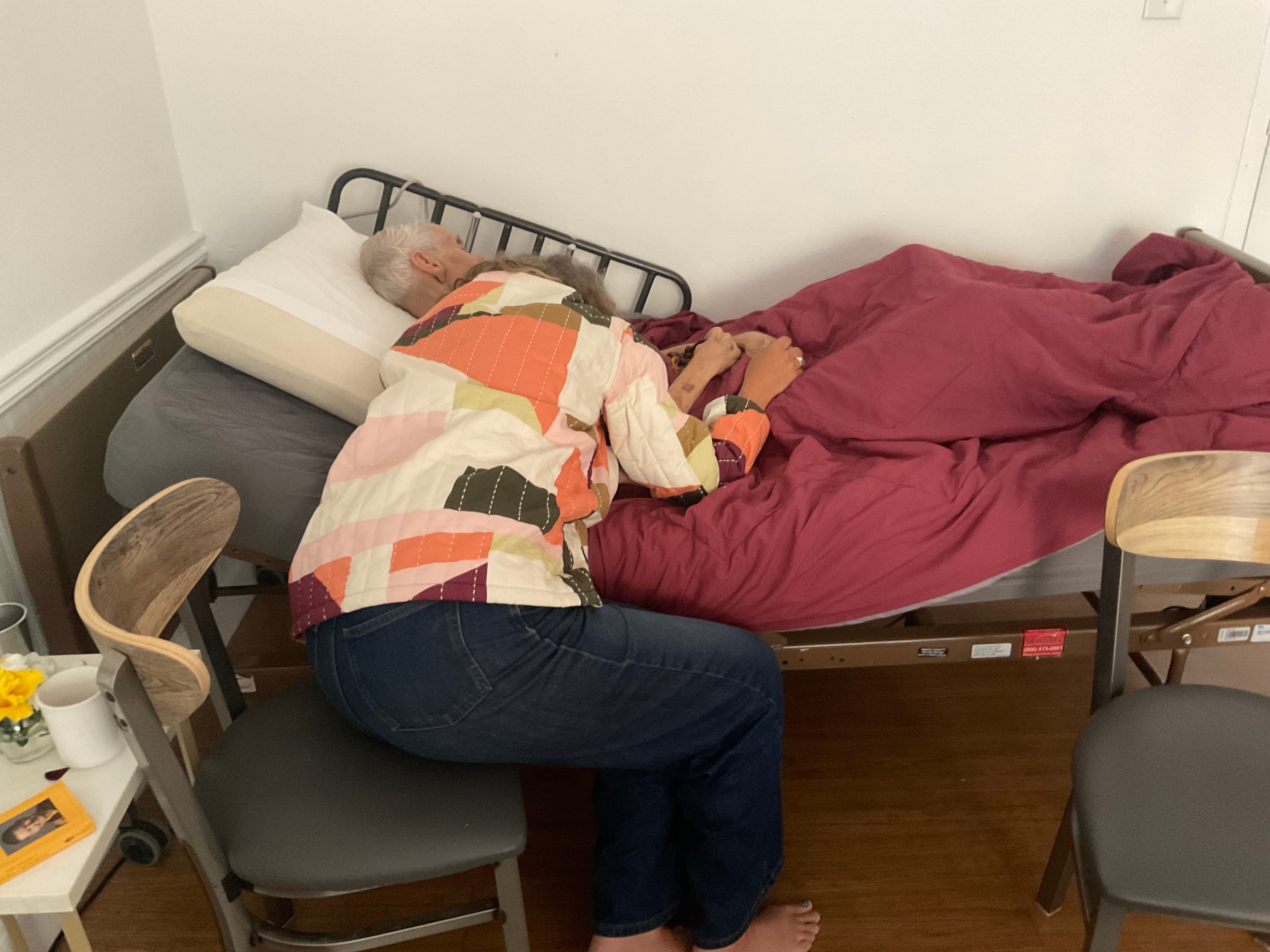
I crawled into bed with you, trying not to crush your tiny body. You dad–once 6’1’’ and substantial, carrying me into the house when I pretended to be asleep in the Toyota minivan in the 80s–became like a tall bird at the end. I found that I wasn’t afraid of your dying body. I wanted to curl up beside it. Put my heavy hand on your ribcage so you could feel the weight of my love and grounding. I wanted to rub your neck and shoulders, put yuzu lotion (the fancy stuff Twilight brought me back from Ten Thousand Waves) on your arms, and hold your hands.
There were some great mysteries. One was your hands, which have been freezing for a decade (ever since the dementia diagnosis), and became warm that whole last week. When people die, one of the first signs are cold hands and feet, but yours remained warm until nearly the very end. You didn’t have a fever, which might have explained it. None of the hospice nurses had an explanation at the ready.
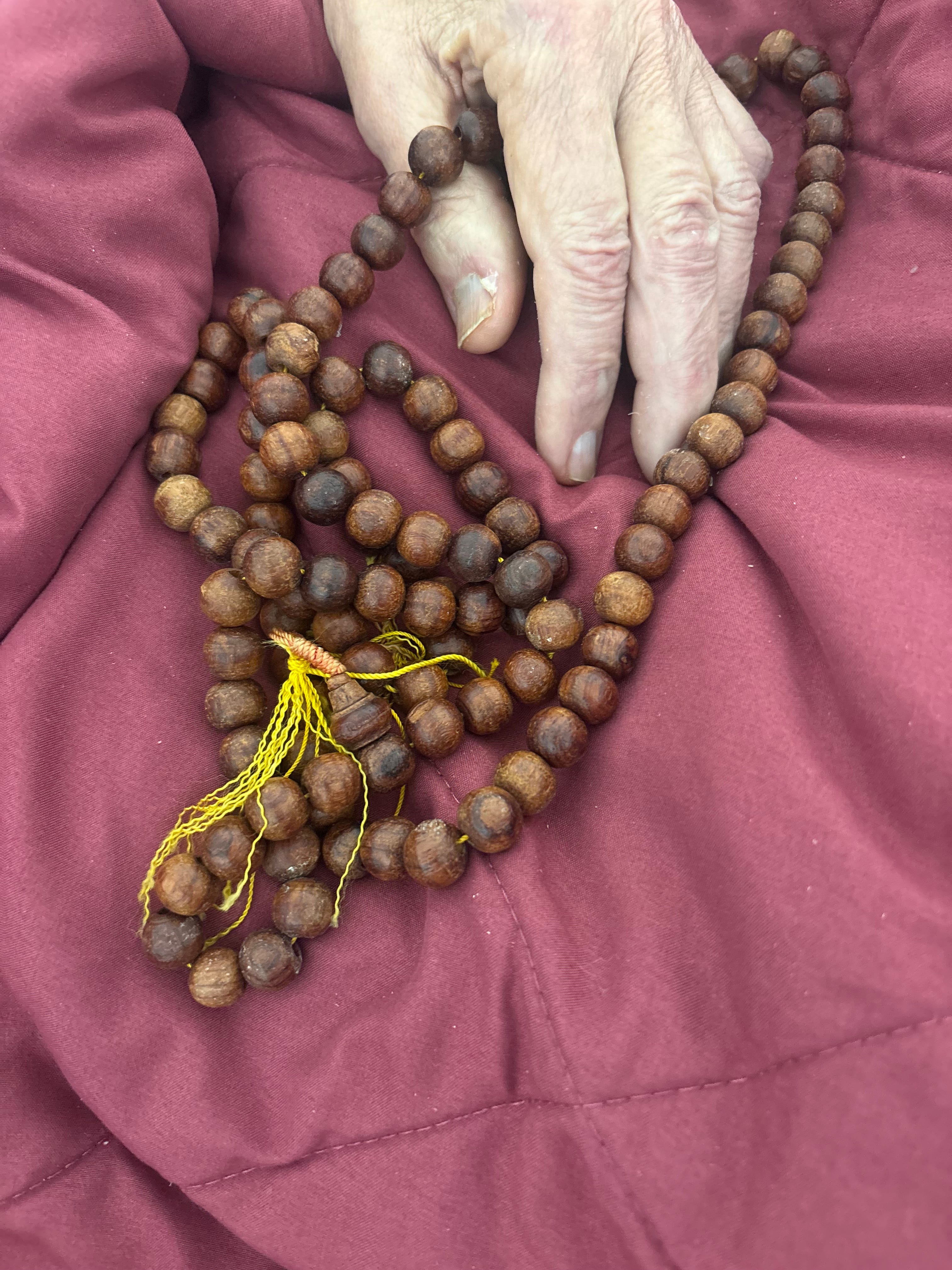
Oh, the hospice nurses. There was Teresa, from Liberia, who came in and told us that even though she only knew you when you could no longer speak or stand, she could just tell that you had once loved to dance. We showed her a video and she hooted and hollered with joy. She knew it. Her own mother, who had just died in January, was also an avid dancer, and had once danced for Liberian presidents and other visiting royalty. Teresa knew, without us even needing to tell her, that we no longer wanted anyone to take your vital signs. She told us that she called you, “Martin Martin,” Dad. She shouted from the end of the bed, “The path is clear Martin Martin! The path is clear!”
Another nurse with a very thick southern accent wanted to hear about your car–a 1955 Bel Air convertible that she’d seen in a photograph on the wall. I told her that it was your first car, and that you and Mom had fallen in love in it when you were teenagers. That you still had it. Mom told her that we had played “I Want to Hold Your Hand” by The Beatles for you, and that you and she had listened to that song in that very car when you all were just 16 years old. She reached for your warm hand as she said it. The nurse shook her head and said, “What a love story.”
She also said, “Don’t forget to talk right into his ear.”
The Elder Ashram staff was also extraordinary. They came in every couple of hours to make us eat beautifully arranged small plates of berries and apples. Each time they would pause and look at you, Dad, like you were a beloved friend. Ami, who created this sacred community, would come in periodically and sit on the floor. She asked for permission to sing you the “Bhagavad Gita” and called Mom, “Ma.” On the third day they moved you to a single room, so your roommate, Tony, could have his room back. It was a quieter room, full of light and a twin bed so we could take naps if we needed to. It was a gift we never would have known to ask for.
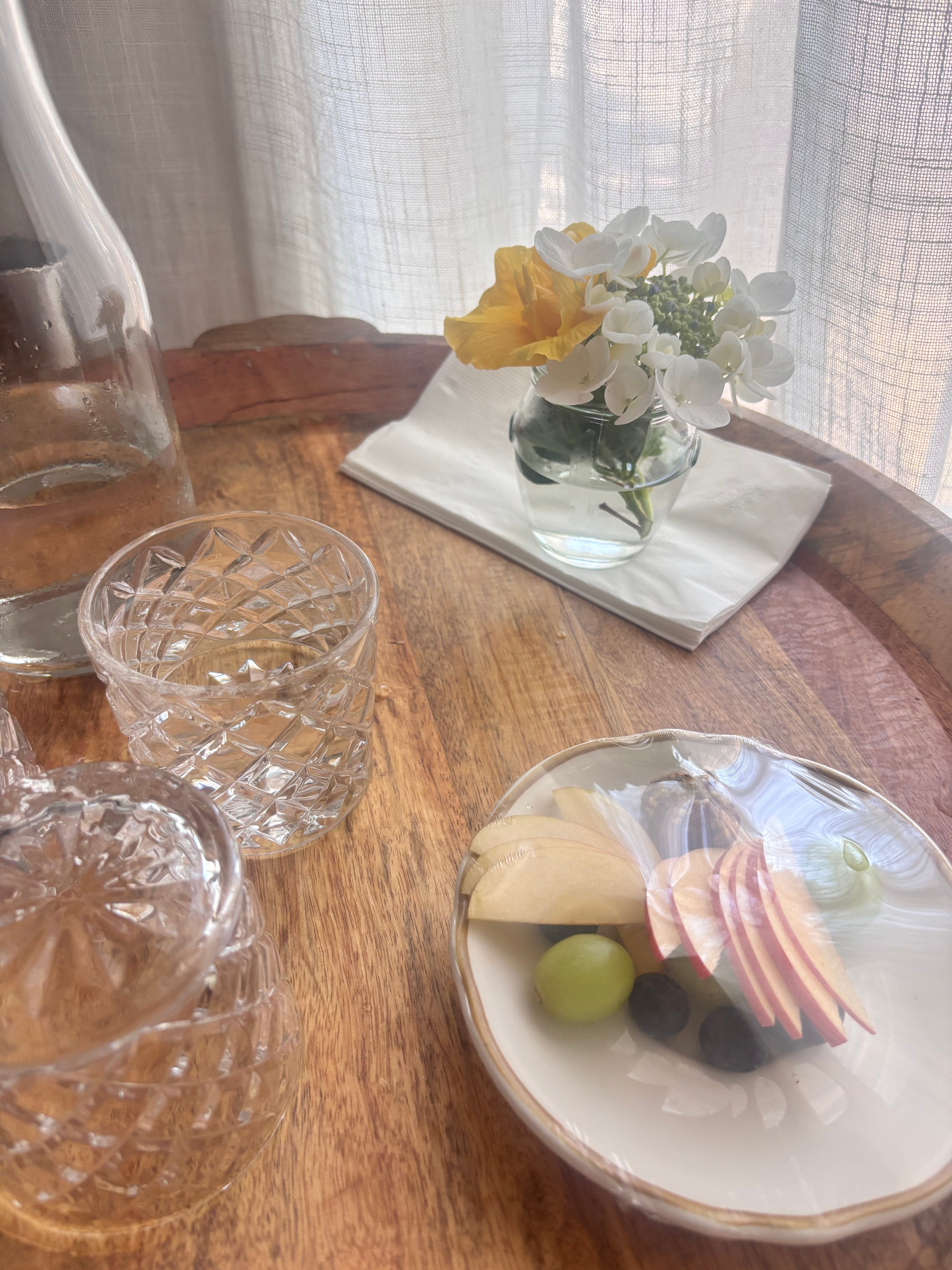
I couldn’t eat much all week. Chris said I must be co-regulating with you, as you no longer ate or drank, just got morphine every six hours and otherwise slept. I imagined you wandering in some kind of liminal land, hoping you were hearing our voices, our laughter, our music. I wanted you to feel safe, most of all. I told you you were safe over and over again. I think part of our love story, Dad, is that you managed to make me feel safe my entire life even though you didn’t feel safe as a kid, and that was a great healing for you, and now I consider creating safety for others one of my highest callings and deepest pleasures.
Maya, just 12-years-old, was incredible. When she walked over to your bed and leaned down to kiss your forehead to say goodbye–no hesitation–I saw the framed photograph right above both of you in which you were holding her as a brand new baby and holding her head so delicately in your big hand. Another great love story–quiet, and short in some ways, and spanning centuries in others.
For three nights we went home around dinner time. The Elder Ashram staff insisted on it, saying they would have someone sit by his bedside through the night. We needed to get our sleep. They also said that if you wanted to go alone, you needed time to do that.
I would curl up on the couch and watch an 80s movie with Maya and our dog, Della, and drink a couple of beers. It felt like I, too, was floating in some liminal land, but it was cozy and full of film scripts deeply embedded in my tired brain–No one puts baby in the corner. It made so much sense to me that Dirty Dancing was my favorite movie as a teen; sure it was sexy, but it was also about truth-telling and class consciousness and a daughter and father who loved and taught each other about justice.
Jen came to visit her dad and I ran into her in the hallway. She was holding a tin can full of the most beautiful flowers from her garden and she handed them to me and then we hugged for a really long time.
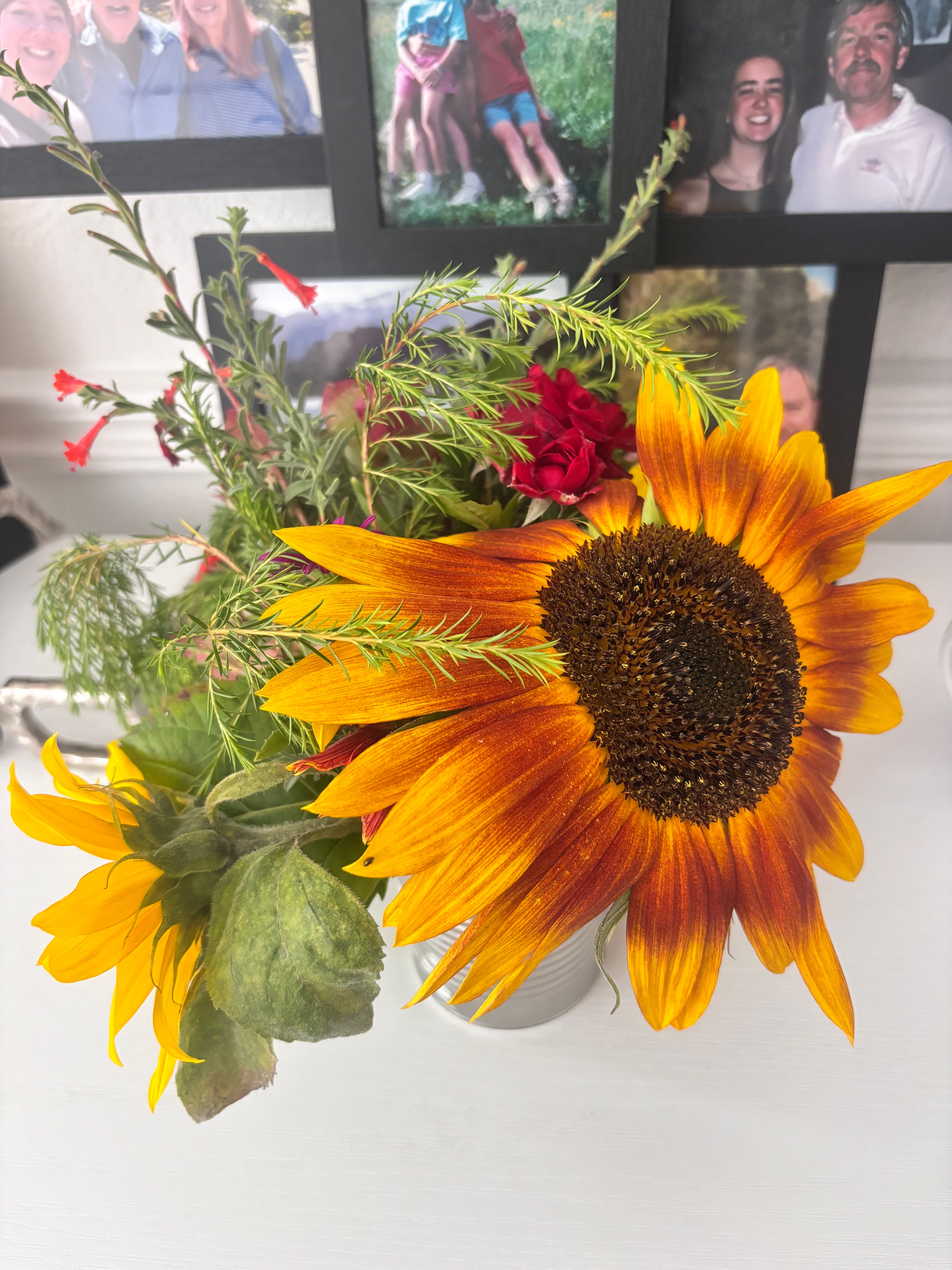
I went to sit next to her dad at the “cafe” who was eating warm brownies and drinking weak coffee with a group of other residents, one of whom was 100-years-old and had the most exquisitely wrinkled face I’d ever seen. We talked about art for a little while and then I headed back to sit next to you again, but not before I went through the garden and found a big ripe fig, which I ate next to your bed while we breathed together.
Next Allison came with copious amounts of coffee and pastries, and we sat right outside your room on the patio and talked about everything under the sun like we always do. I kept peeking through the curtains to make sure your chest was still going up and down. Before she left, she leaned over and kissed your forehead and said, “Thank you for your daughter.”
I hugged her hard and she was gone. And then I re-focused on you and realized that your breathing had changed again–grown even more shallow and spread out. I played “Blackbird” on my iPhone.
Blackbird singing in the dead of night
Take these broken wings and learn to fly
All your life
You were only waiting for this moment to arise
Blackbird singing in the dead of night
Take these sunken eyes and learn to see
All your life
You were only waiting for this moment to be free
Blackbird, fly
Blackbird, fly
Into the light of the dark black night
Blackbird, fly
Blackbird, fly
Into the light of the dark black night
Blackbird singing in the dead of night
Take these broken wings and learn to fly
All your life
You were only waiting for this moment to arise
You were only waiting for this moment to arise
You were only waiting for this moment to arise
When it was over, I remembered what the hospice nurse had said. I leaned right up to your ear and whispered, “Bye Dad. I love you to pieces. I love you forever and ever.”
And at that exact moment, you stopped breathing. I put my hand on your chest, heavy against your ribcage, so you could feel that I was with you. You took a couple last fish-like gulps and then you were gone. I sobbed on your chest until someone came in to bring me a snack and realized it was over.
Your life in that particular body is done. I don’t know where you are or what form your outrageously sweet spirit has taken. But I know this: it was a peaceful, beautiful death, surrounded by humans who really, really saw you. We’re the luckiest and our love will never die. But I don’t need to tell you that. You already know.
You can read my dad’s official obituary here. And I hope you will. Here’s a little excerpt:
Ron Martin was the kind of person who made other people feel unusually brilliant, funny, and interesting when he spoke with them. He had a famously wholehearted laugh and a catch phrase of awe and curiosity, “Is that right?”
To know Ron is to know Jere, his soulmate and lifelong partner. They met in 6th grade, started dating sophomore year in high school, and married in 1969. Together, they built a life of adventure far beyond the psychological, spiritual, and geographical boundaries of their own upbringings–seeking out workshops on Buddhism, Jungian psychology, feminism, and various other healing modalities, and traveling all over the world…
And please, please share your death stories here, or your ideas about the fact that we don’t readily share these kinds of stories. What do you make of it? I’m eager to learn from you all.
Thank you for this gift of sharing your dad's passing. Your words are so healing. This quote undid me "I think part of our love story, Dad, is that you managed to make me feel safe my entire life even though you didn’t feel safe as a kid, and that was a great healing for you, and now I consider creating safety for others one of my highest callings and deepest pleasures." May his memory continue to bless you all. Sending love.
I don’t know how you wrote this, but I am so grateful. I haven’t been able to write my dad’s death story, and it has been six years. I will say this: I was left with something utterly beautiful despite in not being an “ideal” death, and it taught me that joy and crushing grief coexist. Also, it shared so much with my experience of childbirth. As if there’s just a single atom separating the two events. “Full circle” isn’t just a phrase.