
Choosing the labyrinth

Hi dear readers. A couple of quick things before we get on to the main event:
Thank you so much to the nearly 300 of you that signed up for some reflective writing time together in September. I’m going to do another one in October, but this time experiment with a weekday: Friday, October 17th, 3pm PST // 6pm EST. Mark your calendars and RSVP here. If you want to read the collective poem we wrote based on a prompt about Parker Palmer’s “tragic gap,” check it out here. This was a line that really took my breath away: “I could see the bones near his eyes, flying buttresses in the church of his face.”
An episode of my Slate podcast How To! came out this week that I think is really special. In it, my poet hero Ada Limon counsels a listener who wrote in asking us to help her process the end of IVF and the beginning of a new chapter in her life. It’s a beautiful listen—full of that special quality of grief and liberation that comes when two people tell the truth about what they’ve been through and how it’s broken them open into terrain beyond control. It reminded me of this exploration I did back in my On Being columnist days of choosing or not choosing motherhood.
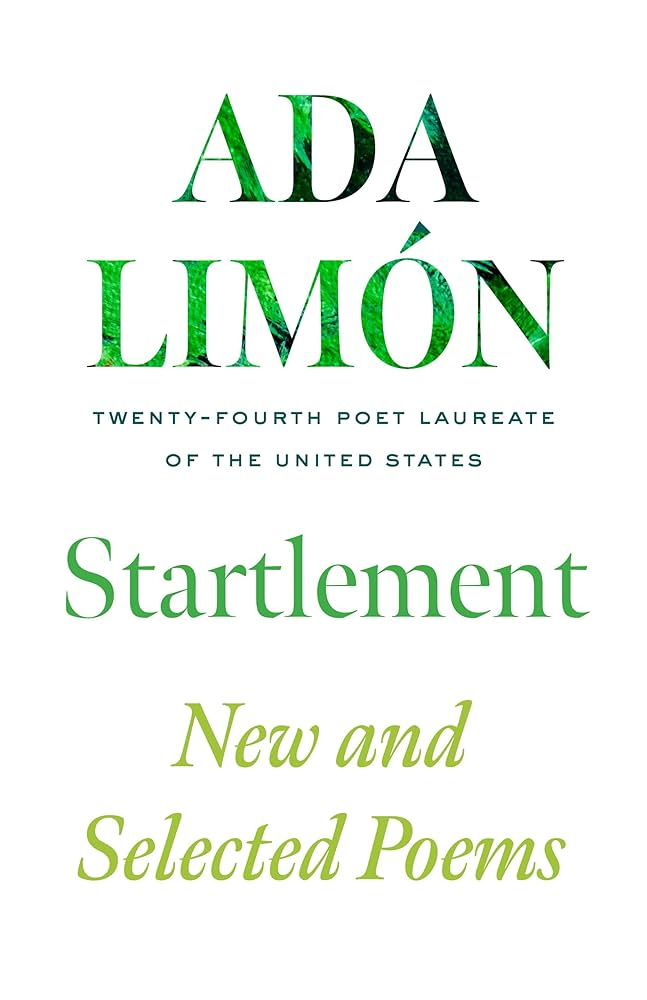
Lucky for all of us, Ada Limon also has a new poetry collection out this week, and I can’t wait to sink my teeth into it.
Speaking of books, my almost 12-year-old daughter, Maya, asked me to re-read her favorite book as of late, John Green’s Looking for Alaska. (My mom is also going to read it so we can have an intergenerational book club.) I finished it last week and wrote Maya this letter, which she said I could share with you all. I don’t think you need to have read the novel to understand the letter, and knowing this community, I bet many of you have read the novel. Or maybe this will make you want to.
Sending admiration for your shimmering humanity, Examined Family. Talk soon…
September 25, 2025
Dear Maya,
I finished Looking for Alaska by John Green, your favorite current book, and I have so much I’d love to talk with you about. As I was reading it, I tried to imagine it through your eyes–what you might think about the friendships, the crushes, the boarding school setting, and the constant drinking and cigarette smoking! I’m so curious why this book has struck such a deep chord with you. I don’t know, although I think I have a hunch…
I’m guessing part of it is the interweaving of two of the main narrative threads of the book–the religion class and one of the core relationships of the book (Alaska and Miles). In these two threads, Miles, the main character, gets to ponder some of the biggest existential questions humans face. I love this so much about the book, too. You are a deep thinker, someone who craves no-bullshit answers to why we are here, how we make choices about what we do with our finite time on earth, and what death means. I’ve seen this in your poetry, in the way you responded to Kima dying, in the way you gently meet your grandparents where they’re at. You don’t want bromides. You want truth and depth and you’re not afraid of darkness or heights.
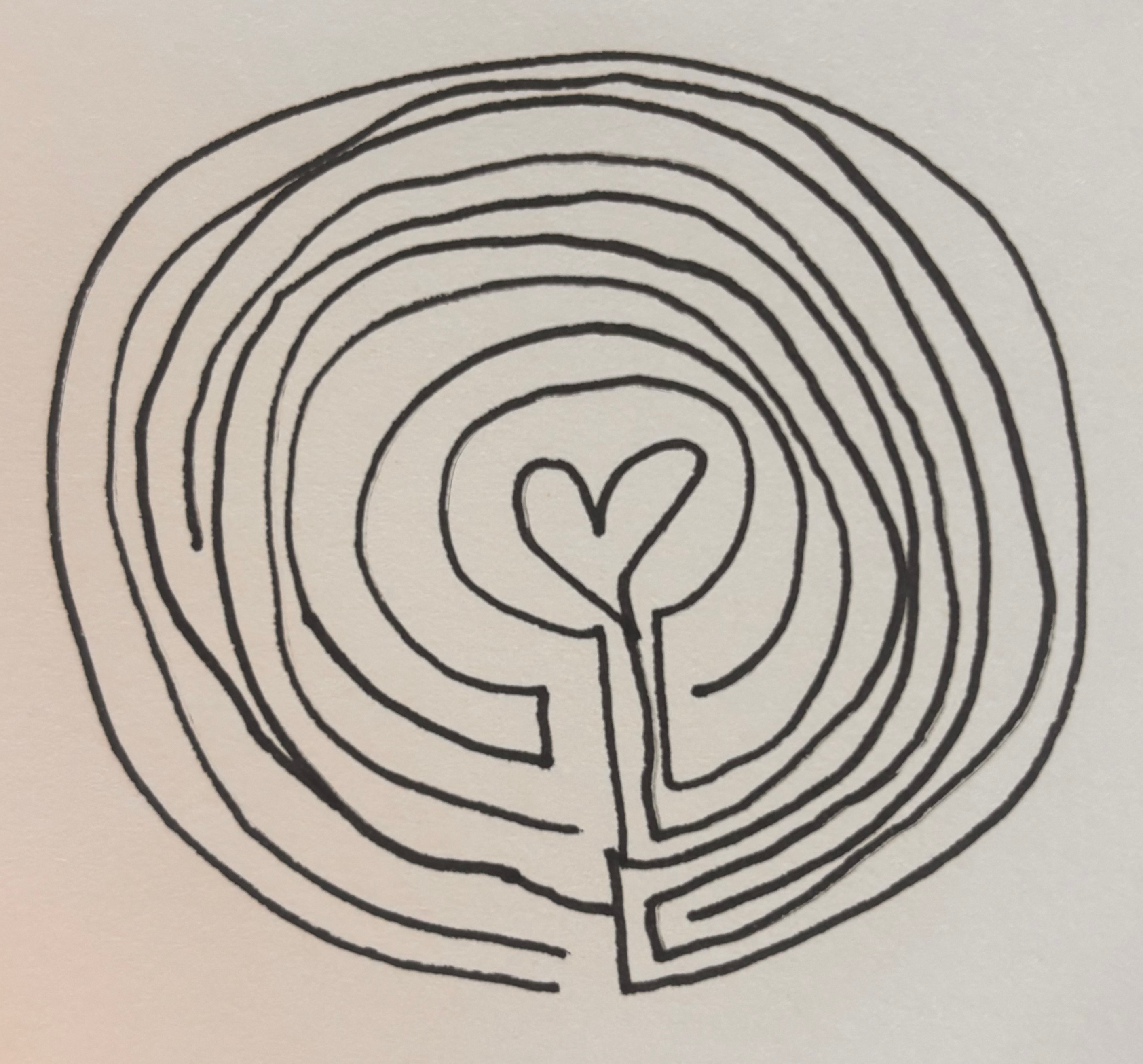
There were a couple of things that really took my breath away. One was the examination of the “labyrinth.” Alaska wonders how we can ever escape the labyrinth of suffering that, at some point, touches every human life. (She’s referencing the last words of Simón Bolívar: “Damn it, how will I ever get out of this labyrinth!”) At the end of the book, Miles says:
It seems to me like straight and fast is the only way out–but I choose the labyrinth. The labyrinth blows, but I choose it.
I relate so much to that. My dad and I used to talk about suffering a lot, because he was a Buddhist and part of the core philosophy of Buddhism is about the inevitability of suffering. We can’t avoid it, so we must learn to live with it and through it. I found that sort of depressing as a kid your age, and I remember pushing back on it a bit with him–why did Buddhism talk so much about suffering? Why not be angry and fight back against it rather than accept it? Didop [what Maya calls my dad] would calmly help me understand that Buddhists didn’t advocate accepting unfairness, but they did advocate understanding that there is nothing inherently unfair about suffering. Suffering is universal. Suffering is a natural part of the human life.
I’m with Miles about choosing to stay in the suffering, rather than transcend it (and as the book shows, the only way to transcend it is through death), because my suffering is directly proportional to my love of my people and the world. And oh my do I love my people and love the world! I am astounded every single day at how much love I feel. And yes, I suffer because I love. And loving is such an incredible gift. I would never want to lose the love, which means I would never want to lose the suffering.
Losing my dad slowly over this last decade has been the worst suffering of my life so far, and that’s because he is one of the loves of my life. I wouldn’t take back one minute of that suffering if it meant trading in one minute of that love. I wish he never got dementia. I wish he was around, enjoying how artistic and kind you are in his full faculties (he would have been so hyperbolic about your talents and beauty!). I wish so many things, and the wishing does make me suffer, so in that way I am still attached (as the Buddhists would say). But I’m also learning to just sit with him in his current state, hold his hand, sing with him, take care of his body in small ways, and be non-attached to what could have been. This is what it is, inside of the labyrinth, which is the unluckiest, luckiest place I’ve ever been stuck inside.
Another part I really loved in the book, near the end, was this:
We cannot be born, and we cannot die. Like all energy, we can only change shapes and sizes and manifestations. They forget that when they get old. They get scared of losing and failing. But that part of us greater than the sum of our parts cannot begin and cannot end, and so it cannot fail.
Reading that was a real comfort to me. I have sometimes worried a lot over the last couple of years that, as hard as I’ve tried, I have sometimes failed the people I love–not giving you enough attention while I was focused on Didop, not figuring out how to make Oma [what Maya calls my mom] happy, not expressing enough gratitude towards your dad…there are so many stories I have told myself about how I did this wrong. I know you are someone built for scanning for your own failure, too. I hate when you tell me that you are so upset about your math quiz because you missed one problem.
This quotation reminds me that we are not individuals in pursuit of individual perfection. We are part of a web of a family and larger networks of friends and community, that are all doing our best to show up for one another, be imaginative, be forgiving, be gentle, and heal. There are so many generational things to heal–my dad lived with a lot of fear and pain, sadly, but he also did a lot of healing and became a great dad because of it. I am hoping to heal what I am supposed to heal in this lifetime, so you can heal different things, live your path less encumbered, be both free and held. None of us can fail because we are all in it together, doing our little piece for the whole. Didop will die, but he’s in me and you and that essence of him, the love he has poured into us, will never die. You are touched by everyone that you are in relationship with, some more deeply than others of course, and that never dies. It shapes you and you shape the world.
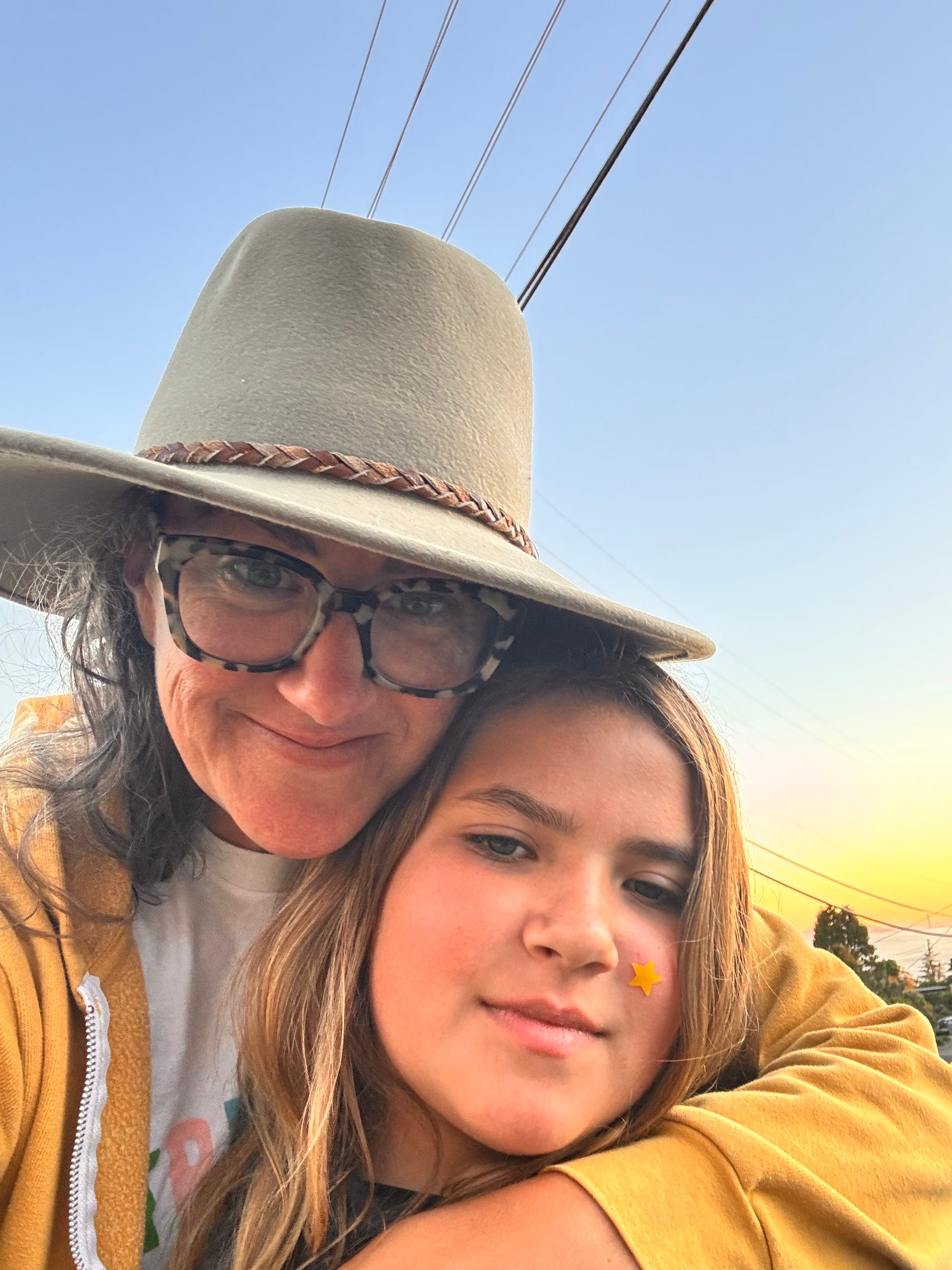
And oh my are you a beautiful shape, my Maya Moo. I just love being your admirer, your friend, your student, your teacher, your art-making buddy, your witness, your momma.
Thanks for encouraging me to read the book. Love you forever.
-C.
How lucky your daughter is to have a mother willing to be so thoughtful and vulnerable with her and engage with the things she loves!
What a beautiful letter. Thank you for letting us read it, too. Love the idea of intergenerational book club 💜
Growing up, the three generations of my family (of those still with us in flesh) never shared a language we could all read in, given colonization for my grandparents, occupation for my parents, immigration for me. But books have shaped so much of my life. So I'm grateful to now, in my 40s, finally be able to read books in Chinese so I talk / learn with family members in this way.
Maya is very lucky. And let us know how it goes!